Glossary

What is Chiropractic Adjustment?

Chiropractic Adjustment is a hands-on procedure where a licensed chiropractor applies controlled force to a specific joint in the spine or other body part. The goal is to improve spinal motion, reduce nerve irritation. And restore proper function to muscles and joints. Adjustments are commonly used to treat back pain, neck pain, headaches. And joint stiffness.

Reviewed by Advanced Injury Care ClinicSources reviewed: American Chiropractic Association, National Center for Complementary and Integrative Health

Quick Facts About Chiropractic Adjustment

Category

Manual therapy

Used for

Back pain, neck pain, headaches, joint stiffness

Common confusion

Often mistaken for massage or general cracking of joints

Also called

Spinal Adjustment, Chiropractic Manipulation

Often discussed with

Neck Pain Treatment, Back Pain Treatment

Key Takeaways About Chiropractic Adjustment

Understanding Chiropractic Adjustment

Chiropractic Adjustment in Chiropractor—Brentwood Estates

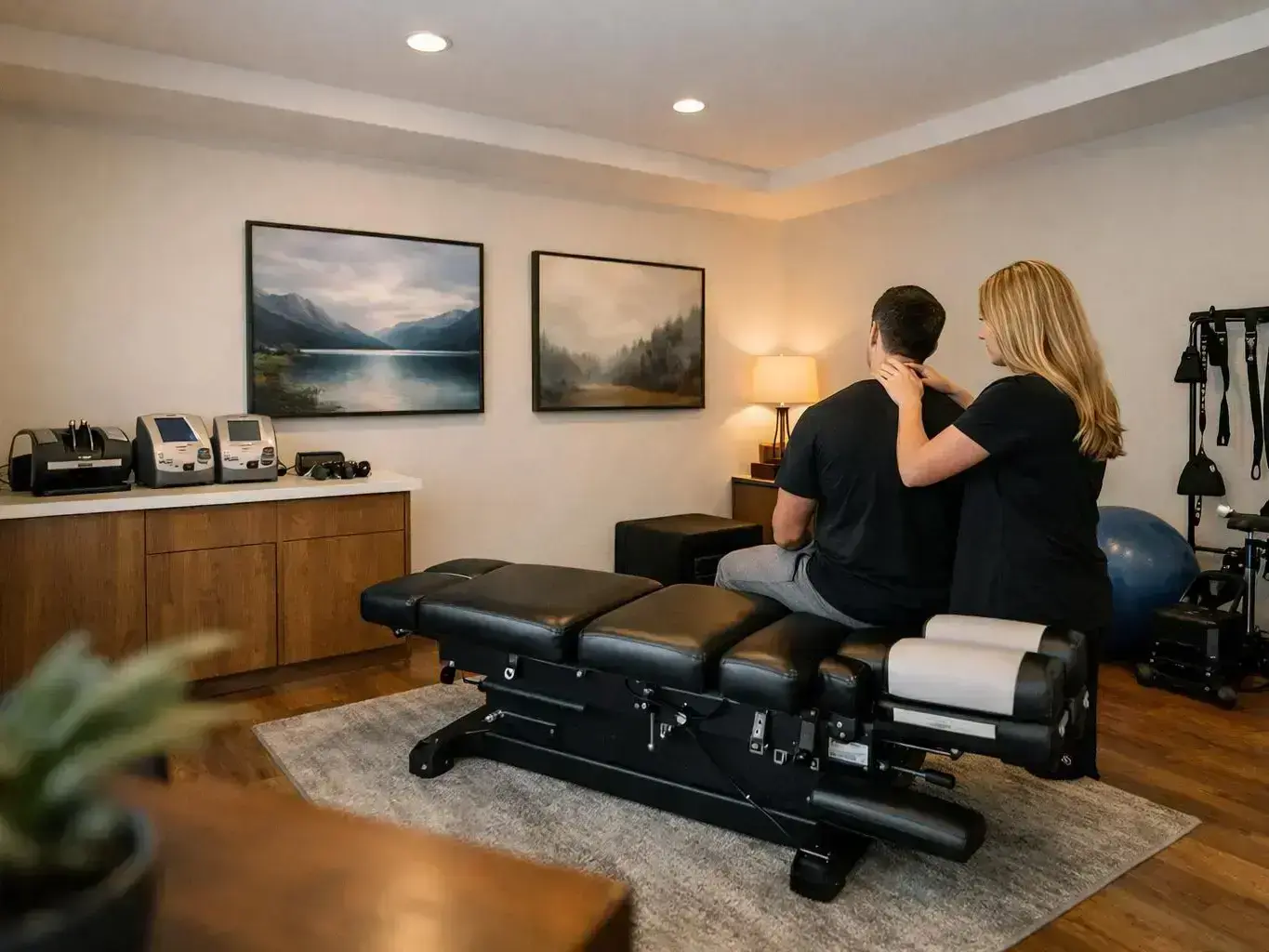
A chiropractor does an adjustment. They use their hands or a small tool. They apply a quick, controlled force to a joint.

Related glossary terms: Spinal Manipulation, Chiropractic Care, Cervical Spine.

This force helps the joint move right. It can also help it line up better. This may reduce pain and help you move easier.

Adjustments usually help the spine. But they can also help shoulders, knees. Or ankles.

Chiropractors believe the spine must align well. This helps the nerves work their best. If joints don't move right, it can cause pain or stiffness.

Adjustments fix these problems. They aim to help nerves work better. This helps your body heal without surgery or medicine.

You may hear cracking or popping sounds. These sounds are just gas bubbles. They don't mean the adjustment worked or didn't work.

How Chiropractic Adjustment Works?

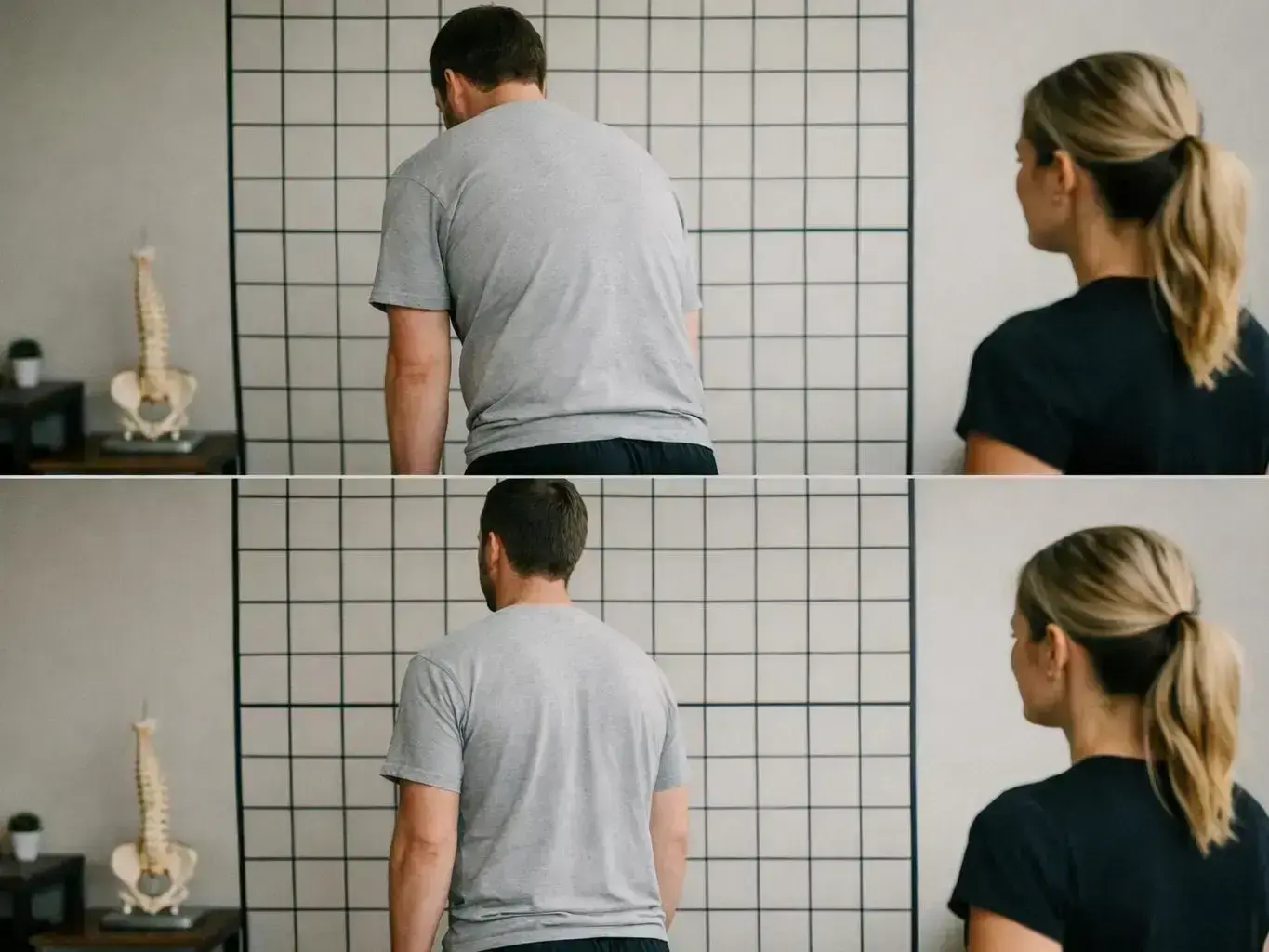
The chiropractor checks your spine or joint first. They look for joints that don't move right. They also look for joints that are out of place.

You may lie down, sit. Or stand. It depends on what area they treat. The chiropractor then gives a quick push to the joint.

They use their hands or a special tool. This push moves the joint a little. It helps the joint line up and work better.

The adjustment usually doesn't hurt. But you might feel a little sore. This can happen if your muscles are tight.

Many people feel better right away. Others feel better in a few days. Chiropractors often add stretches or exercises too.

They may also use soft tissue therapy (massage for muscles). This helps you heal faster. It also helps your results last longer.

Each adjustment fits the patient's needs. Someone with neck pain gets a different adjustment. Someone with back pain gets another type.

Some adjustments use gentle pressure. Others use stronger moves. The chiropractor picks what's best for you.

They think about your age and health. They also think about what feels best for you.

Why Chiropractic Adjustment Matters?

Adjustments help without surgery or drugs. They help with pain and stiffness. Many people try them for back pain or headaches.

They can help you move better. This makes daily life easier. Adjustments help your body heal itself.

This means you may need fewer pain pills. You may also avoid surgery. Chiropractic care is a natural choice.

Adjustments can stop future injuries. When joints move right, your body handles stress better. This is true for work, sports. Or daily life.

Regular care keeps your spine healthy. It can also help your posture. This lowers the chance of long-term pain.

Athletes like adjustments. They help joints move better. They also help muscles relax. This can improve performance.

When Chiropractic Adjustment Matters Most?

Adjustments help with sudden or long-term pain. This pain often comes from joints or the spine. Common causes include car accidents or sports injuries.

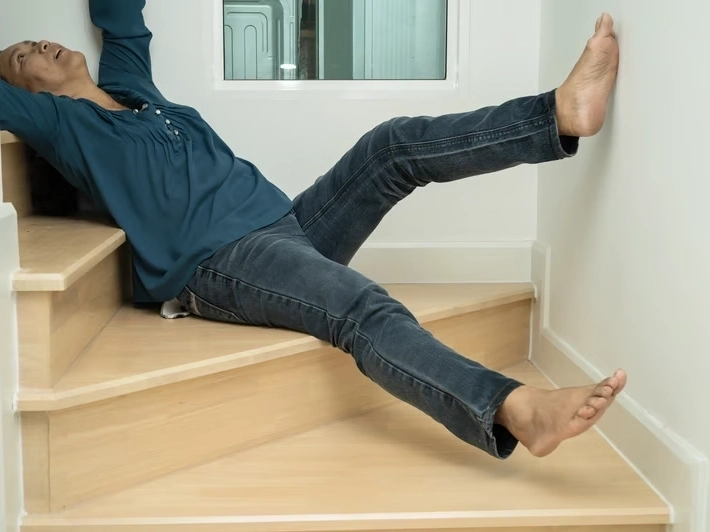
They also help with falls. These can knock joints out of place. Adjustments help manage long-term problems too.

These problems include sciatica (nerve pain down the leg). They also include scoliosis (curved spine). Adjustments help with repetitive strain injuries too.

People who sit a lot may need adjustments. Office workers are one example. So are nurses or construction workers.

These jobs stress the spine and joints. Over time, this can cause pain. Regular care helps keep joints healthy.

It also helps posture. This lowers the risk of chronic pain. Many people choose natural treatments.

They pick adjustments as part of their wellness plan. This helps them stay healthy without surgery.

How to Evaluate Chiropractic Adjustment?

Related Concepts Compared

Chiropractic Adjustment vs. Spinal Manipulation

Spinal manipulation is a broader term that includes techniques used by chiropractors, osteopaths. And physical therapists. While chiropractic adjustment specifically refers to techniques used by chiropractors.

Chiropractic Adjustment vs. Massage Therapy

Massage therapy focuses on relaxing muscles and improving circulation. While chiropractic adjustment targets joint alignment and nervous system function.

Chiropractic Adjustment vs. Physical Therapy

Physical therapy often includes exercises, stretches. And modalities like heat or ultrasound. While chiropractic adjustment is a hands-on technique to improve joint movement.

Expert Note

Chiropractic adjustments are most effective when combined with patient education and active participation, such as exercises or posture corrections. The goal is not just to relieve symptoms but to address the underlying cause of dysfunction.

Common Mistakes or Myths About Chiropractic Adjustment

  • Assuming adjustments are only for back pain—they can help joints throughout the body.
  • Thinking the cracking sound is necessary for an adjustment to work—it’s just gas bubbles.
  • Believing adjustments are unsafe—when performed by a licensed chiropractor, they are generally safe.
  • Expecting instant results—some people need multiple sessions for lasting improvement.

Chiropractic Adjustment in Practice: A Real-World Example

After a minor car accident, a patient experiences neck stiffness and headaches. Their chiropractor performs a series of gentle adjustments to the cervical spine, restoring proper movement and reducing nerve irritation. Over a few weeks, the patient’s pain decreases. And they regain full range of motion without relying on pain medication.

Sources & Further Reading on Chiropractic Adjustment

Related Services

Related Terms

Spinal Manipulation

Spinal Manipulation is a hands-on treatment technique used by chiropractors and other healthcare providers to apply controlled force to joints in the spine. This process aims to improve spinal motion, reduce pain. And enhance physical function by addressing stiffness or misalignments in the vertebrae. It's often called a spinal adjustment and is a core part of chiropractic care.

Chiropractic Care

Chiropractic Care is a healthcare profession focused on diagnosing and treating musculoskeletal disorders, primarily through manual adjustments to the spine and other joints. Chiropractic Care aims to improve mobility, reduce pain. And support the body’s natural ability to heal without surgery or medication. It's commonly used for back pain, neck pain, headaches. And joint issues.

Cervical Spine

Cervical Spine is the uppermost part of the spinal column, consisting of seven vertebrae labeled C1 to C7. These bones form the neck, support the skull, protect the spinal cord. And allow head movement in multiple directions. The cervical spine also contains nerves that control sensation and function in the arms, hands.

Lumbar Spine

Lumbar Spine is the lower part of the spine, consisting of five large vertebrae labeled L1 to L5, located between the rib cage and the pelvis. It supports most of the body’s weight, enables movement like bending and twisting.

Advanced Injury Care Clinic

Have Questions About Chiropractic Adjustment?

Contact Advanced Injury Care Clinic for practical guidance on Chiropractic Adjustment and related chiropractor work in Brentwood Estates.

+1 615-777-0624