Understanding Herniated Disc
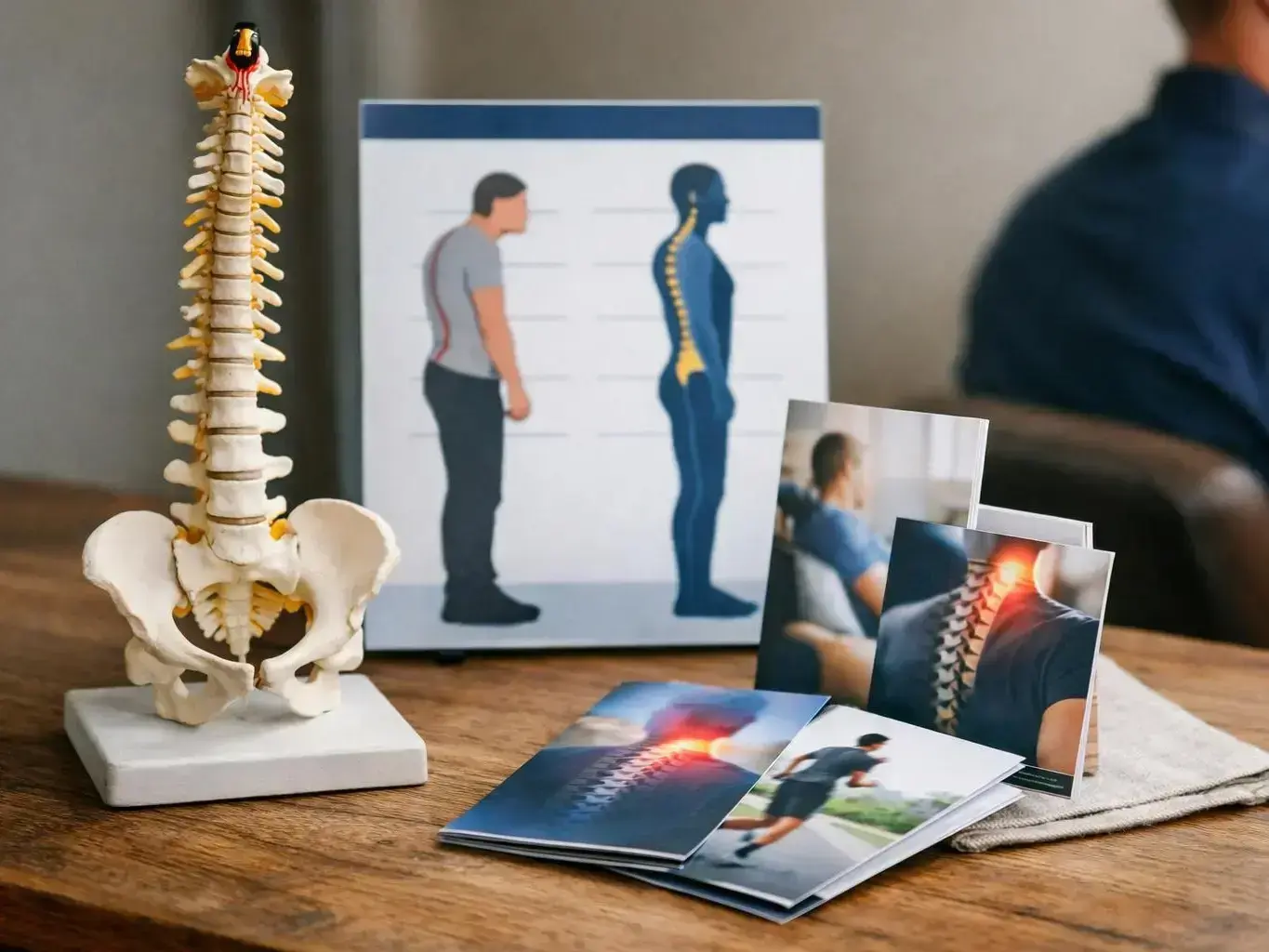
A herniated disc is a common back problem. It affects the soft cushions between bones in your spine.
These cushions act like shock absorbers. They help your spine bend and move. Over time, they can wear out or get hurt.
The inside is soft and jelly-like. The outside is tough. When the inside leaks out, it can press on nerves.
This can cause pain, tingling. Or weak muscles. It happens when the outer layer cracks.
Herniated discs often happen in the lower back. They can also happen in the neck. The lower back carries most of your weight.
This makes it easier to get hurt. In the neck, pain can spread down your arms.
Some people don’t feel anything. Others feel sharp pain. It hurts more when sitting, bending. Or lifting.
How bad it feels depends on the size. It also depends on where it presses on nerves.
How Herniated Disc Works?
Your spine has 24 bones. They stack on top of each other. Between each bone is a disc.
The disc has a tough outer ring. Inside is soft, jelly-like stuff. When the ring gets weak, the inside can bulge out.
This is called a herniation. It can press on nerves. That causes pain and swelling.
Your body can heal over time. The bulge may shrink. This takes pressure off the nerves.
Doctors find herniated discs with tests. They check your strength and reflexes. They may use MRI or CT scans.
These pictures show the herniation. Sometimes, they do nerve tests. These check how muscles work.
Why Herniated Disc Matters?
A herniated disc can hurt your daily life. It can make moving hard. Simple things may cause pain.
Sitting too long can hurt. So can driving or lifting. If not treated, pain can last a long time.
Muscles can get weak. This affects work, exercise. And life. Early help can stop more damage.
Herniated discs often come with age. But accidents can cause them too. Car crashes or sports injuries are examples.
Good posture helps prevent them. So does lifting the right way. Staying active is also important.
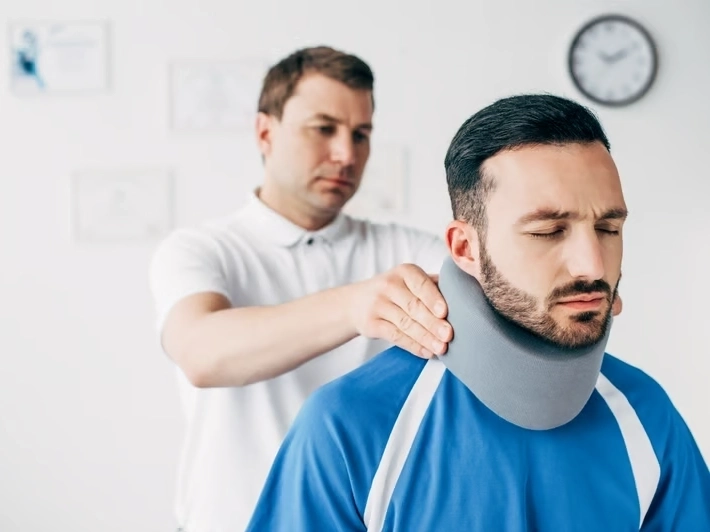
If you have pain, treatments can help. These include adjustments, stretching. Or exercises. They don’t need surgery.
When Herniated Disc Matters Most?
Herniated discs can be serious. Pain down your legs is called sciatica. This means a nerve is pressed hard.
If you can’t control your bladder, get help fast. This is an emergency. Athletes and workers may feel pain sooner.
Their jobs stress their backs a lot.
In Brentwood Estates, TN, many get herniated discs. Active adults and car accident victims often have them.
Local chiropractors help without surgery. They ease nerve pressure. This helps your spine work better.
Spot symptoms early. Get help fast. This stops long-term problems. It helps you heal better.