Understanding Muscle Strain

Muscle strain is a common injury. It hurts muscles and tendons. Tendons are tissues that connect muscles to bones.
It happens when muscles stretch too far. They can also tear from too much force. This can come from quick moves or doing the same thing over and over.
Strains can happen anytime. Lifting heavy things can cause them. So can playing sports or twisting suddenly.
Anyone can get a muscle strain. But athletes and people with hard jobs get them more often.
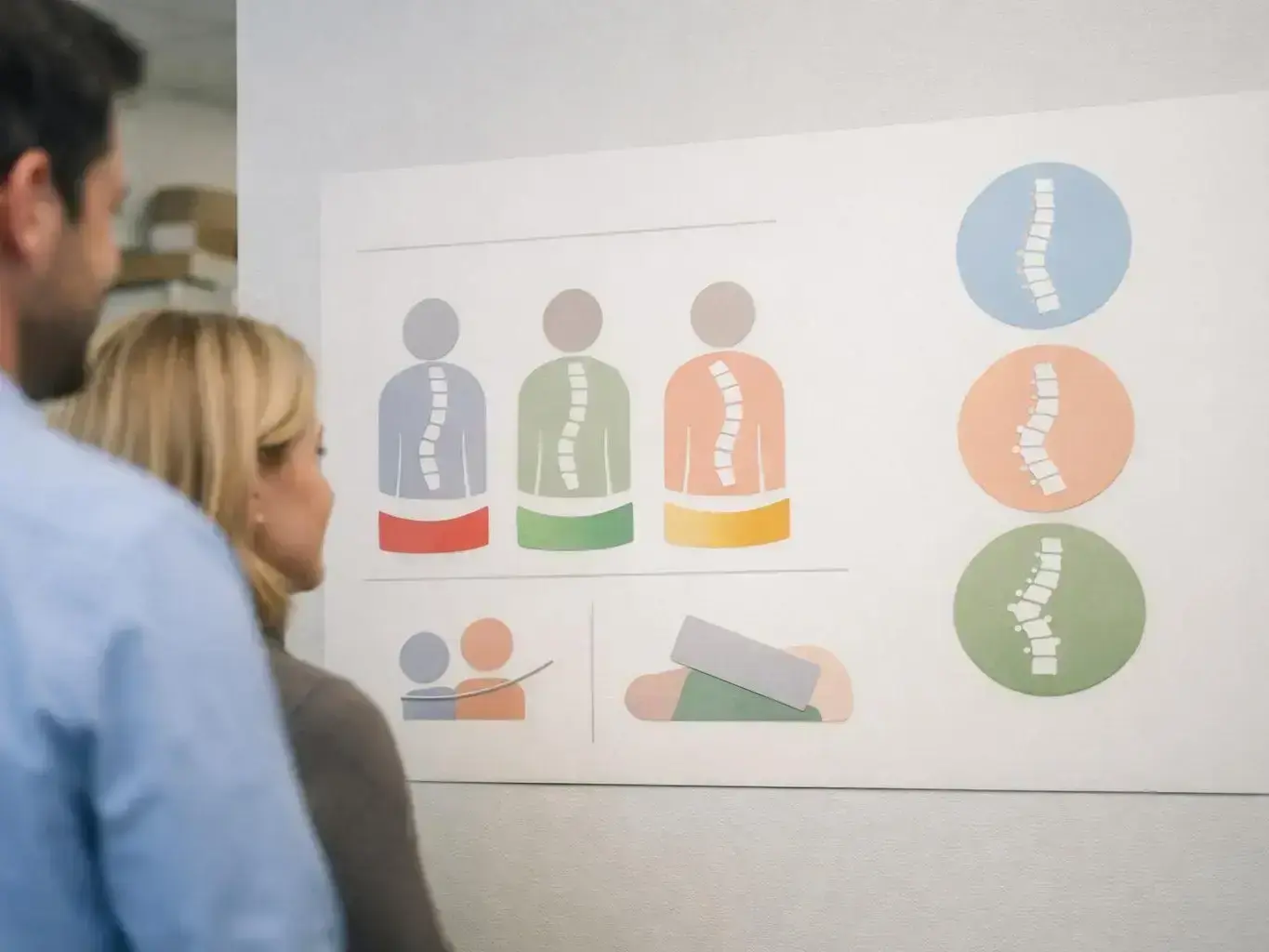
Muscle strains have three grades. Grade 1 is mild. It means tiny tears or stretching. It hurts a little but doesn't weaken you much.
Grade 2 is worse. It's a bigger tear. You'll feel more pain. You may see swelling and bruises. You won't be as strong.
Grade 3 is the worst. The muscle tears all the way. It hurts a lot. You'll see swelling and bruises. You won't be able to use that muscle.
Knowing the grade helps. It tells you how to treat it. It also tells you how long it will take to heal.
How Muscle Strain Works?
Muscle strain happens when a muscle can't handle the force. It stretches or tears. This can happen in two ways.
Acute strain happens fast. It comes from one bad move. Lifting something heavy the wrong way can cause it. So can slipping or getting hit.
Pulling a hamstring while running is one example. That's an acute strain.
Chronic strain happens over time. It comes from doing the same thing too much. Running, typing. Or working the same way can cause it.
Your body tries to heal the strain. It sends blood to the hurt area. This causes swelling and pain.
You may also see bruises. How bad it feels depends on how bad the strain is.
Mild strains hurt a little. Bad strains hurt a lot. They can keep you from moving.
Rest, ice, compression. And elevation help. This is called RICE. It helps the muscle heal.
Why Muscle Strain Matters?
Muscle strain is more than just a little pain. It can make daily life hard.
Even small strains hurt. They can make moving hard. Walking, lifting. Or bending may be tough.
Athletes may have to stop training. They might miss games or races. This can slow their progress.
Bad strains can cause long-term problems. They may lead to lasting pain. Muscles can get weak. You might get hurt again.
You may need a doctor or therapy. This takes time and money.
Strains can cost you money too. You might miss work. That means less pay.
Some jobs need you to move a lot. Strains can make it hard to do them.
You may need tests or therapy. These can cost a lot.
Knowing how to stop strains helps. So does knowing how to treat them. This keeps your life running smooth.
Spotting strains early helps too. It speeds up healing. It stops worse problems later.
When Muscle Strain Matters Most?
Muscle strain matters when work or safety is at risk. Athletes need to stay in shape.
A strain can stop training. It can make them miss games. Even small strains can hurt their game.
Bad strains can take weeks to heal. Some take months.
People with hard jobs need strong muscles. Construction workers and nurses are examples.
Strains can stop them from working. That means less pay. It can also cause stress.
Strains can make daily tasks hard. Parents lift kids. Gardeners bend and reach.
Office workers sit for hours. All of these can cause strains.
Older people get strains easier. Their muscles get weaker with age.
Some strains need a doctor. Go if the pain is bad. Also go if you can't move.
Too much swelling is another sign. Getting help fast stops worse damage.