Understanding Workers Compensation

Workers Compensation is a form of insurance designed to protect employees and employers when workplace injuries occur. Unlike regular health insurance, Workers Compensation specifically covers injuries or illnesses that happen while performing job duties. This system ensures that employees receive necessary medical treatment and partial wage replacement without needing to prove their employer was at fault. In return, employers are shielded from most lawsuits related to the injury, creating a balanced approach to workplace safety and financial protection.
Related glossary terms: Chiropractic Care, Acute Pain, Muscle Strain.
Each state in the U.S. Sets its own Workers Compensation laws, which means requirements, benefits. And processes can vary. Most states require businesses with employees to carry Workers Compensation insurance. Though some exceptions exist for very small businesses or certain types of workers. The program is funded through employer-paid insurance premiums. And claims are typically handled by state agencies or private insurers authorized to manage Workers Compensation cases.
How Workers Compensation Works?
When an employee is injured on the job, the first step is to report the injury to their employer as soon as possible. Delays in reporting can lead to complications or denial of benefits. The employer then files a claim with their Workers Compensation insurance provider. A medical evaluation follows, where a healthcare provider assesses the injury, determines the necessary treatment. And confirms whether the injury is work-related. Chiropractors, physical therapists. And other specialists often participate in this process, especially for musculoskeletal injuries like back pain, strains. Or repetitive stress conditions.
If the claim is approved, Workers Compensation covers medical expenses, including doctor visits, hospital stays, medications. And rehabilitation services. It also provides partial wage replacement, usually about two-thirds of the employee’s average weekly wage, during the time they're unable to work. The amount and duration of wage benefits depend on the severity of the injury and state laws. Some injuries may qualify for permanent disability benefits if they result in long-term impairment.
Why Workers Compensation Matters?
Workers Compensation plays a critical role in workplace safety and financial stability for both employees and employers. For employees, it ensures access to medical care and financial support during recovery, reducing the stress of lost income or mounting medical bills. For employers, it limits legal liability and helps maintain a stable workforce by providing injured employees with the resources they need to return to work safely. Without Workers Compensation, injured workers might face financial hardship or lengthy legal battles to secure compensation. While employers could face costly lawsuits.
The program also encourages safer workplaces by tying insurance premiums to an employer’s claims history. Businesses with fewer workplace injuries typically pay lower premiums, creating a financial incentive to invest in safety training, ergonomic equipment. And injury prevention programs. This system benefits everyone by reducing the frequency and severity of workplace injuries over time.
When Workers Compensation Matters Most?
Workers Compensation becomes especially important in industries with higher risks of injury, such as construction, manufacturing, healthcare. And transportation. But injuries can happen in any workplace, from office settings to retail stores. Common scenarios where Workers Compensation applies include slips and falls, lifting injuries, repetitive strain injuries (like carpal tunnel syndrome). Or accidents involving machinery or vehicles. It also covers illnesses caused by workplace exposures, such as respiratory conditions from inhaling harmful substances or hearing loss from prolonged noise exposure.
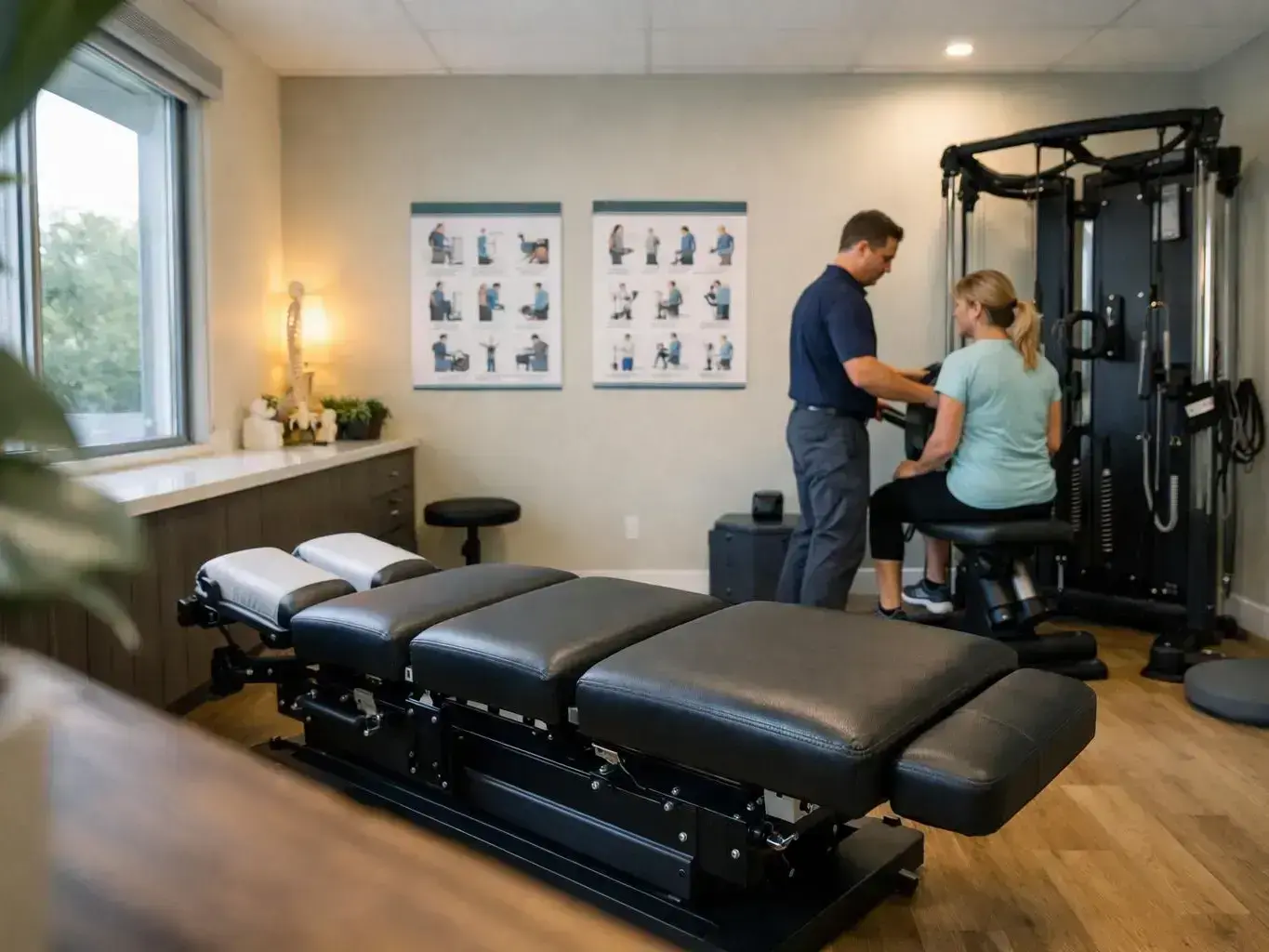
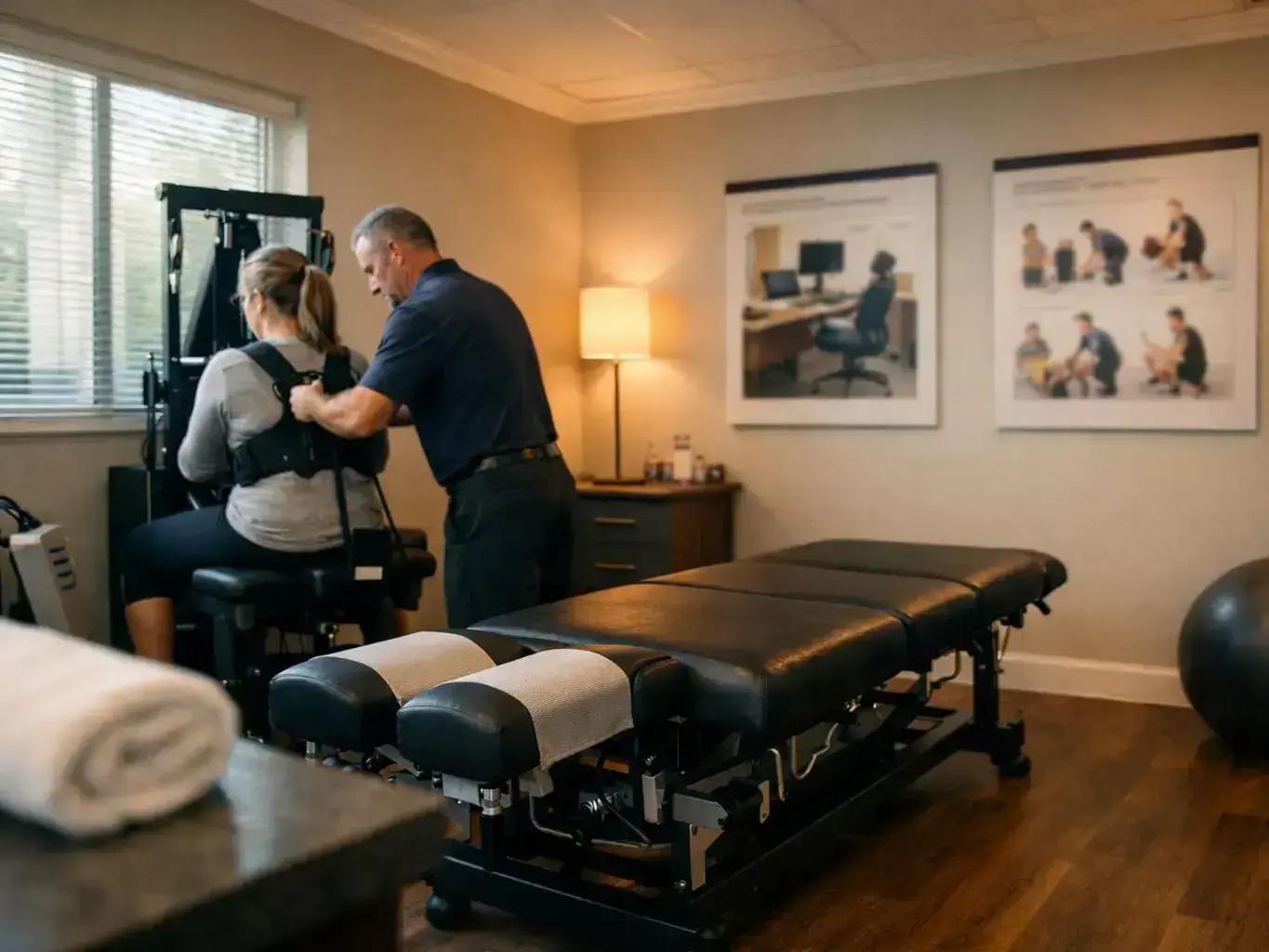
For chiropractors and other healthcare providers, Workers Compensation is relevant when treating patients with work-related musculoskeletal injuries. These providers must follow state-specific guidelines for documenting injuries, submitting claims. And communicating with insurers to ensure patients receive covered care. In Brentwood Estates, TN, chiropractors often see Workers Compensation cases involving back pain, neck injuries. Or joint sprains resulting from workplace accidents or repetitive tasks.