Understanding Active Release Technique

Active Release Technique (ART) is a specialized treatment method used by chiropractors, physical therapists. And other healthcare providers to address soft tissue injuries. Unlike traditional massage or stretching, ART focuses on identifying and treating specific areas where scar tissue or adhesions have formed. These adhesions can develop after injuries, overuse. Or repetitive stress, causing pain, stiffness. And limited movement. By applying precise pressure while the patient moves the affected area, ART helps break up these adhesions, allowing tissues to heal properly and function normally.
Related glossary terms: Soft Tissue Therapy, Myofascial Release, Chiropractic Adjustment.
The technique was developed in the 1980s by Dr. P. Michael Leahy, a chiropractor and engineer, who noticed that many of his patients had soft tissue problems that traditional treatments weren’t addressing. ART is now widely used for conditions like carpal tunnel syndrome, plantar fasciitis, shoulder impingement. And back pain caused by muscle or ligament strain. Because it targets the root cause of pain rather than just symptoms, ART is often used alongside other treatments like chiropractic adjustments or physical therapy to provide full care.
How Active Release Technique Works?
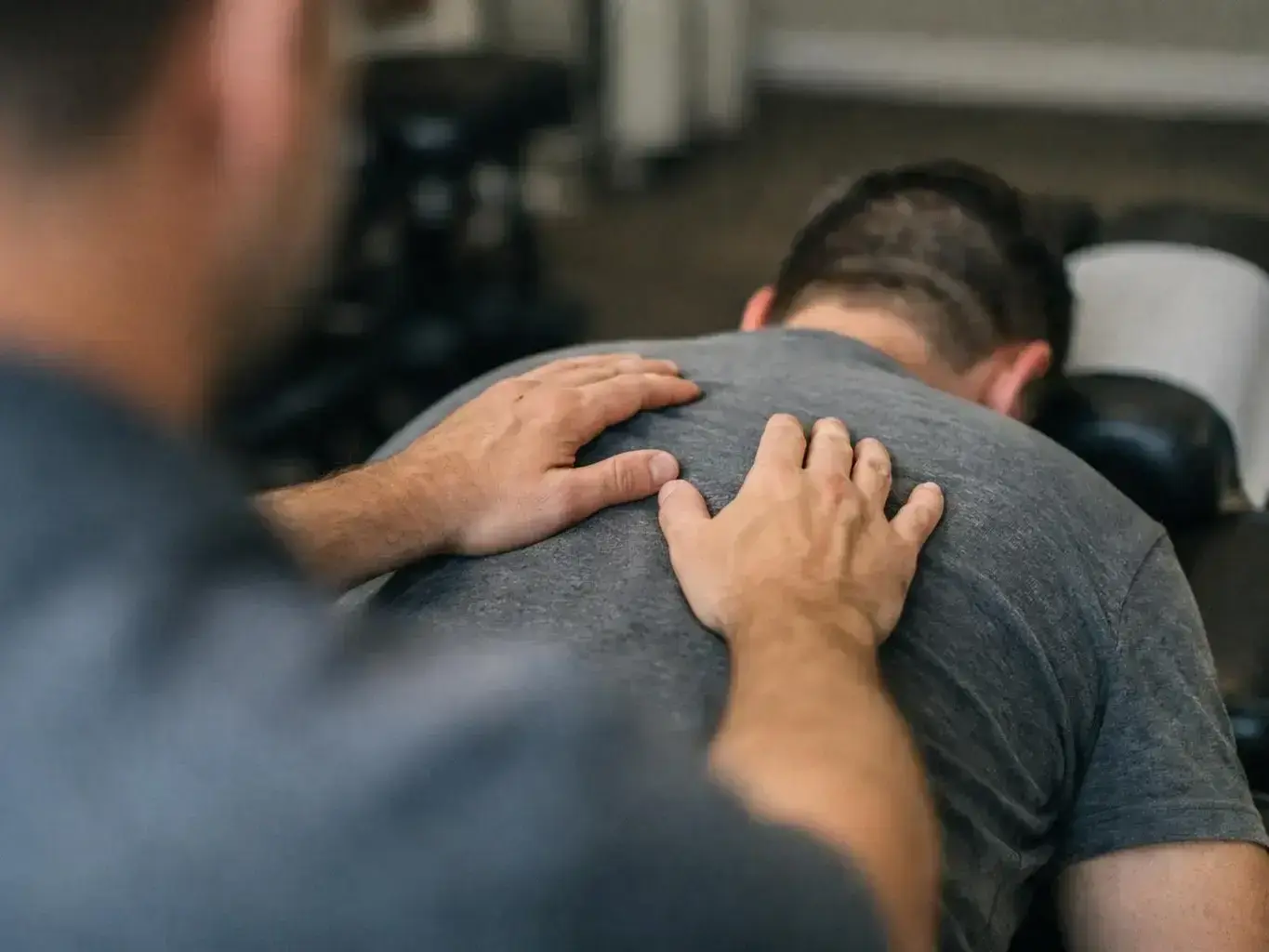
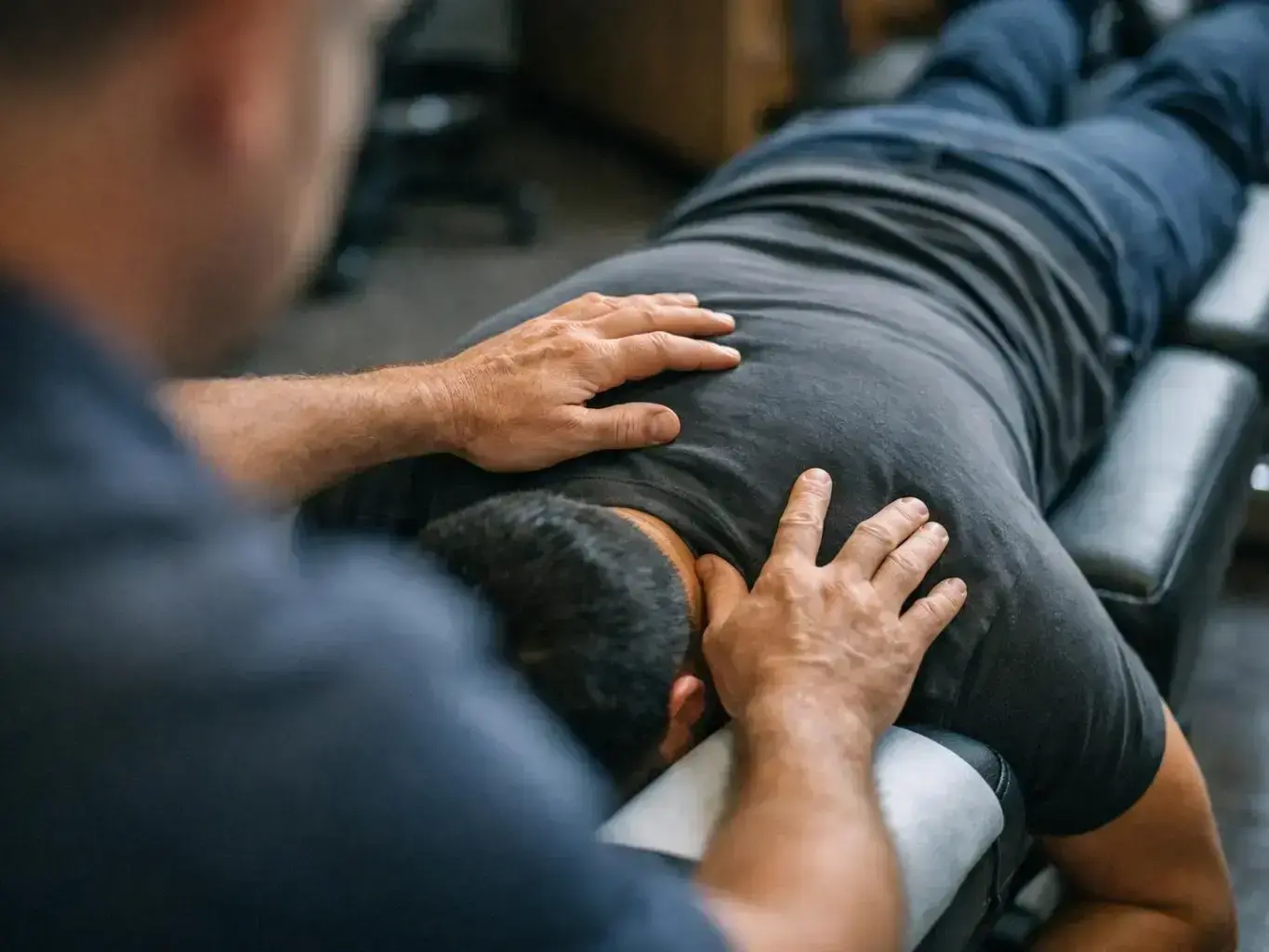
Active Release Technique works by combining two key elements: provider-applied pressure and patient movement. During a session, the provider first identifies the exact location of the scar tissue or adhesion by feeling for tight or tender spots in the muscle, tendon. Or ligament. Once located, the provider applies firm pressure directly to the affected area while the patient performs a specific movement, such as flexing, extending. Or rotating the joint. This combination helps separate the adhered tissues, restore blood flow. And promote healing.
The process is highly specific, with over 500 different protocols designed for different muscles and conditions. For example, if a patient has plantar fasciitis, the provider might focus on the bottom of the foot, using pressure and movement to release tension in the plantar fascia. Similarly, for a runner with it band syndrome, the provider would target the side of the thigh, using ART to reduce tightness and improve flexibility. Sessions typically last 10 to 15 minutes per area. And patients often feel immediate relief. Though multiple sessions may be needed for long-standing issues.
ART is not a one-size-fits-all treatment. Providers must complete extensive training and certification to perform it correctly, as improper technique can worsen injuries. The certification process includes hands-on instruction, written exams. And practical assessments to ensure providers can accurately identify and treat soft tissue problems. This rigorous training helps ensure that patients receive safe and effective care.
Why Active Release Technique Matters?
Active Release Technique matters because it addresses a common but often overlooked cause of pain and dysfunction: scar tissue and adhesions in soft tissues. Many injuries, whether from sports, repetitive work tasks. Or accidents, lead to the formation of adhesions as the body heals. While these adhesions are a natural part of the healing process, they can restrict movement, compress nerves. And cause chronic pain if not properly managed. ART provides a way to break up these adhesions without surgery or medication, helping patients recover faster and return to their daily activities or sports.
Another reason ART is valuable is its ability to improve performance and prevent future injuries. Athletes, office workers. And manual laborers often develop tight or overused muscles that limit their range of motion and increase the risk of injury. By using ART to release tension and restore normal tissue function, providers can help these individuals move more efficiently and reduce the likelihood of re-injury. For example, a runner with tight hamstrings might use ART to improve flexibility and prevent strains. While a desk worker with wrist pain might use it to avoid carpal tunnel syndrome.
When Active Release Technique Matters Most?
Active Release Technique is most useful in situations where soft tissue injuries are causing pain, stiffness. Or limited movement. Common scenarios include recovering from sports injuries, managing chronic conditions like tendonitis. Or addressing pain from repetitive stress at work. For instance, someone with a stiff neck from long hours at a computer might benefit from ART to release tension in the upper back and shoulders. Similarly, a construction worker with elbow pain from using tools might find relief through targeted ART sessions on the forearm muscles.
Many projects start with ART is also valuable for patients who haven’t found relief from other treatments. Many people try rest, ice, stretching. Or medication for soft tissue injuries, only to find that their pain persists. In these cases, ART can provide a more direct approach by targeting the specific tissues causing the problem. It’s particularly effective for conditions like sciatica, where nerve compression is caused by tight muscles. Or for post-surgical scar tissue that limits mobility. But ART isn’t suitable for everyone—patients with fractures, open wounds. Or severe inflammation may need to wait until their condition stabilizes before starting treatment.
For residents of Brentwood Estates, TN, ART can be especially relevant for managing injuries related to local activities, such as golf, running. Or yard work. Many chiropractors in the area offer ART as part of their treatment plans, making it a convenient option for those seeking non-invasive pain relief. Whether recovering from a car accident, dealing with a sports injury. Or managing chronic pain, ART provides a targeted solution for soft tissue problems.