Understanding Atlas Orthogonal
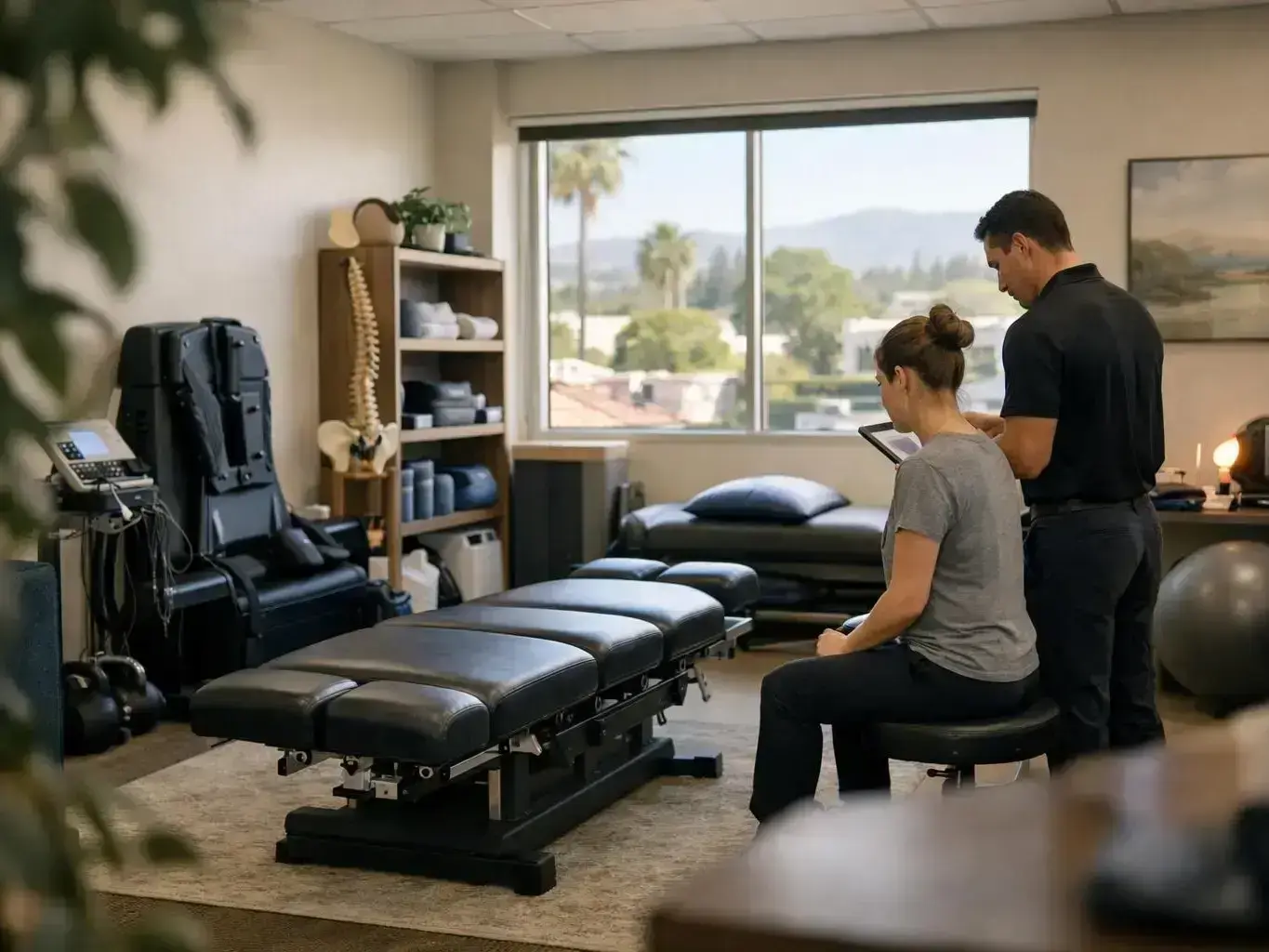
Atlas Orthogonal is a specialized chiropractic method designed to address misalignments of the atlas vertebra, which is the first bone in the cervical spine located just below the skull. This vertebra plays a critical role in supporting the head and protecting the brainstem, making its proper alignment essential for overall health. Unlike traditional chiropractic adjustments that rely on manual force, Atlas Orthogonal uses a precise, instrument-based approach to deliver gentle corrections. This technique is based on the principle that even minor misalignments of the atlas can cause significant nerve interference, leading to pain, headaches. And other health issues.
Related glossary terms: Chiropractic Adjustment, Cervical Spine, Chiropractic BioPhysics.
The technique was developed to provide a non-invasive, low-force alternative to manual spinal adjustments. It's particularly useful for patients who may be hesitant about traditional chiropractic methods due to concerns about discomfort or the sound of cracking joints. Because the atlas vertebra is so close to the brainstem and spinal cord, even small corrections can have a profound impact on the body's nervous system and overall function. This makes Atlas Orthogonal a popular choice for individuals seeking relief from chronic neck pain, migraines. Or balance issues.
How Atlas Orthogonal Works?
The Atlas Orthogonal procedure begins with a thorough examination, including X-rays or advanced imaging, to assess the exact position of the atlas vertebra. The chiropractor measures the degree of misalignment to determine the precise angle and direction needed for correction. Using a specialized instrument, the chiropractor delivers a gentle, controlled impulse to the atlas vertebra. This impulse is calibrated to the patient's specific needs, ensuring a safe and effective adjustment without the need for manual force or twisting motions.
The instrument used in Atlas Orthogonal is designed to deliver a quick, low-amplitude thrust, which minimizes discomfort and reduces the risk of injury. The adjustment itself typically takes only a fraction of a second. And patients often report feeling immediate relief or a sense of relaxation following the procedure. Because the technique is so precise, it can be repeated as needed to maintain proper alignment, making it a valuable tool for long-term spinal health.
Chiropractors who perform Atlas Orthogonal must undergo specialized training and certification to ensure they can accurately assess and correct atlas misalignments. This training includes learning how to interpret imaging results, use the adjustment instrument. And monitor patient progress over time. The technique is often integrated into a broader chiropractic care plan, which may include other therapies such as spinal decompression or electrical muscle stimulation to support overall recovery.
Why Atlas Orthogonal Matters?
Atlas Orthogonal matters because misalignments of the atlas vertebra can have far-reaching effects on the body's nervous system and overall health. The atlas supports the weight of the head and serves as a conduit for nerve signals traveling between the brain and the rest of the body. When the atlas is misaligned, it can compress nerves, restrict blood flow. And disrupt communication between the brain and organs. This can lead to a variety of symptoms, including chronic headaches, neck pain, dizziness. And even issues with balance or coordination.
By correcting atlas misalignments, Atlas Orthogonal helps restore proper nerve function and reduce interference that may contribute to pain or dysfunction. Many patients experience relief from conditions that have not responded to other forms of treatment, such as medications or physical therapy. And because the technique is gentle and non-invasive, it is suitable for a wide range of patients, including those with osteoporosis, arthritis. Or other conditions that may make traditional chiropractic adjustments risky.
When Atlas Orthogonal Matters Most?
Atlas Orthogonal is particularly important for individuals experiencing chronic neck pain, headaches. Or symptoms related to nerve interference. It is often recommended for patients who have not found relief through other treatments, such as medication or manual chiropractic adjustments. The technique is also valuable for individuals recovering from injuries, such as whiplash or sports-related trauma, where precise alignment of the atlas vertebra can support faster healing and reduce the risk of long-term complications.
In addition to injury recovery, Atlas Orthogonal can be beneficial for individuals with conditions that affect the nervous system, such as migraines, vertigo. Or fibromyalgia. Because the technique focuses on restoring proper nerve function, it may help alleviate symptoms that are linked to nerve compression or miscommunication between the brain and body. Patients who are seeking a gentle, drug-free approach to pain management often find Atlas Orthogonal to be a safe and effective option.
For residents of Brentwood Estates, TN, Atlas Orthogonal is a relevant option for chiropractic care due to the area's active population and common issues like auto accident injuries or workplace strain. Chiropractors in the region may use this technique to address local health concerns, such as neck pain from prolonged sitting or headaches from stress.