Understanding CBP

Chiropractic BioPhysics, commonly called CBP, is a chiropractic approach that applies principles of physics, biomechanics. And engineering to spinal care. Unlike traditional chiropractic methods that focus mainly on relieving symptoms, CBP aims to correct the underlying structural causes of pain and dysfunction. The technique uses detailed measurements of spinal curvature, posture analysis. And X-rays to identify misalignments and create a precise treatment plan.
Related glossary terms: Chiropractic Adjustment, Chiropractic Biophysics, Spinal Decompression.
CBP was developed in the 1980s by Dr. Donald Harrison and has since grown into one of the most researched chiropractic techniques. It's based on the idea that abnormal spinal alignment can lead to chronic pain, reduced mobility. And even organ dysfunction over time. By restoring the spine to its ideal shape, CBP helps patients achieve long-term relief and improved overall health. The approach is often used for conditions like scoliosis, chronic back pain, neck pain. And postural problems caused by injuries or daily habits.
How CBP Works?
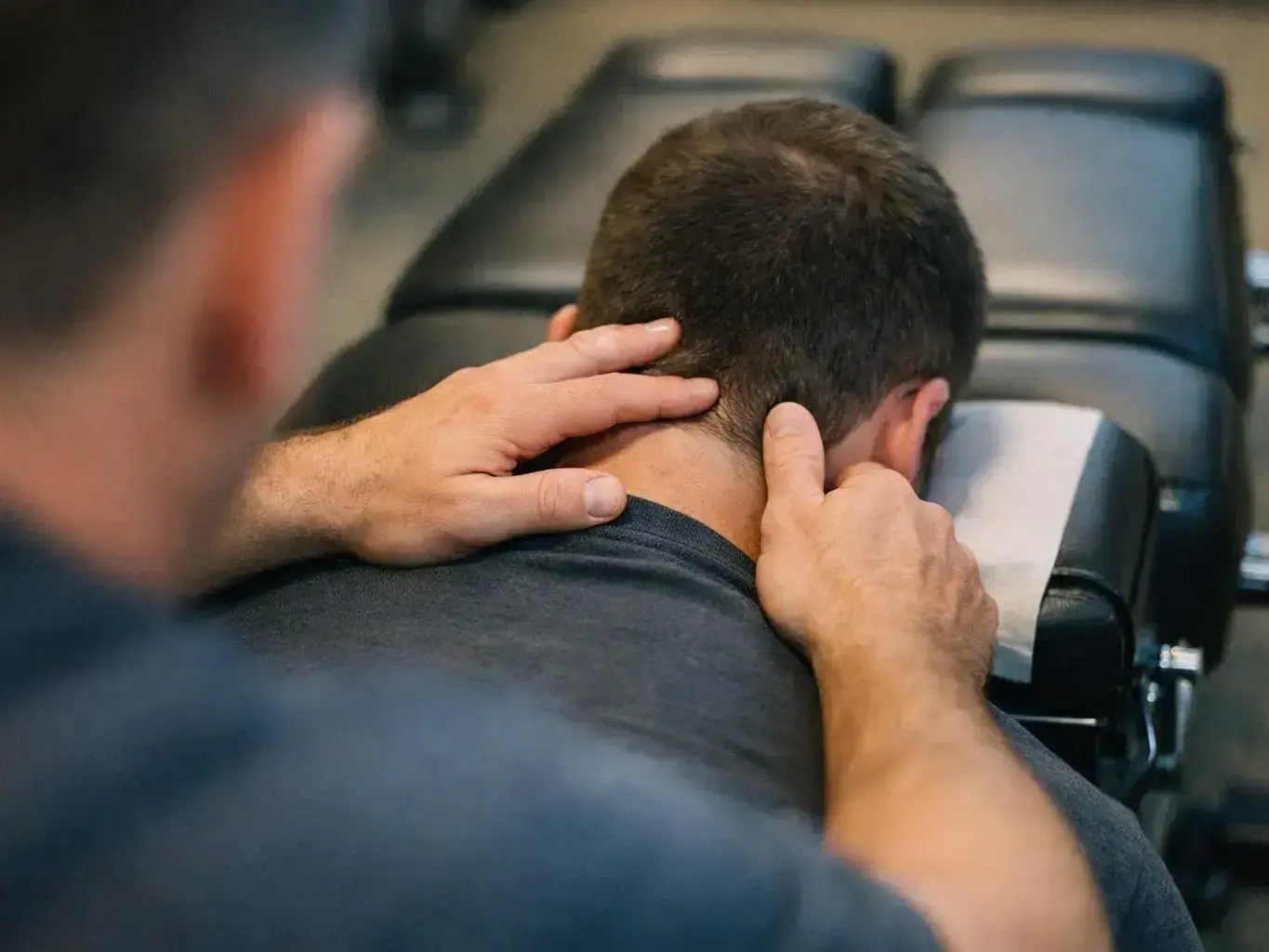
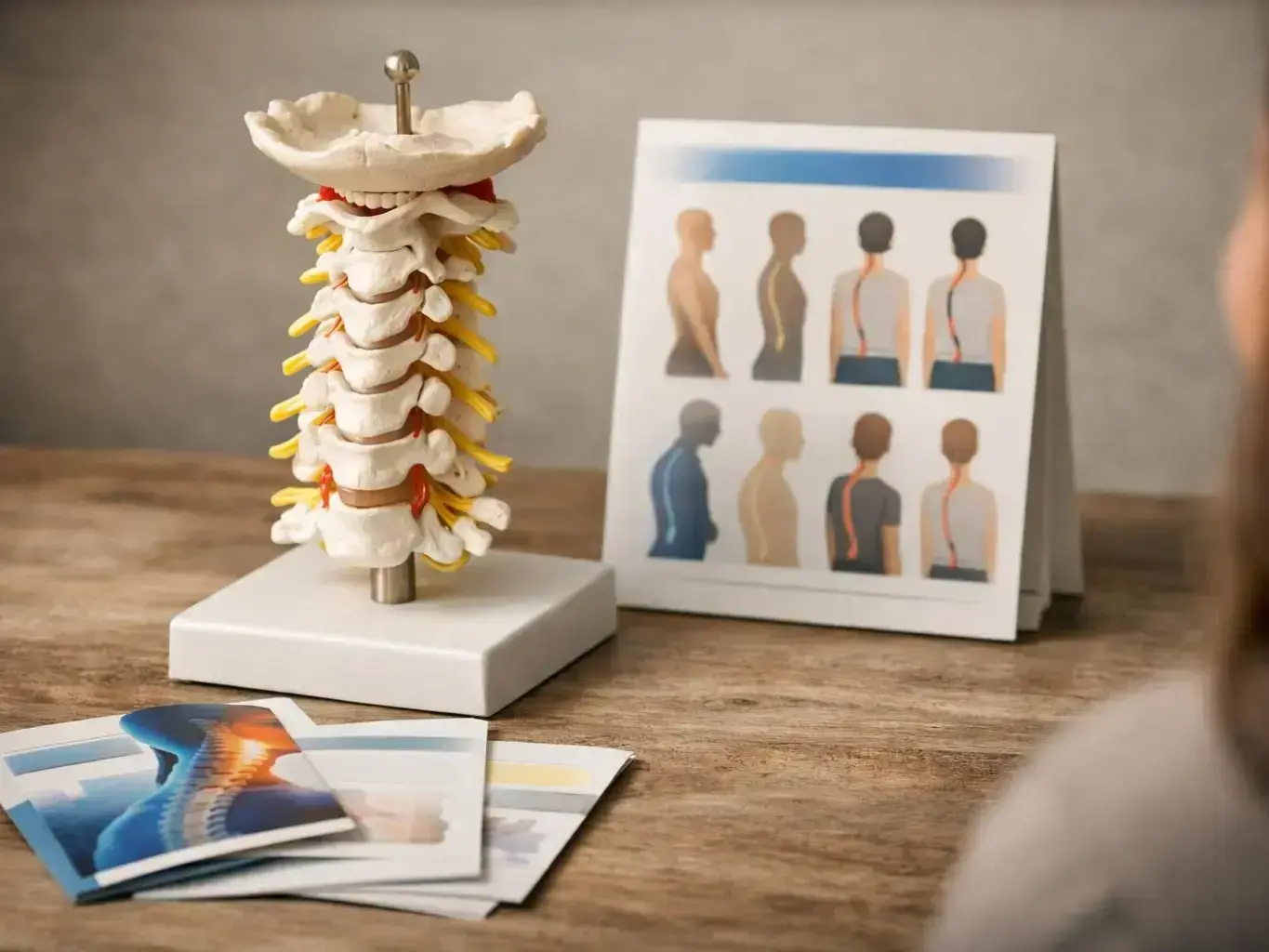
CBP treatment begins with a thorough assessment, including a physical exam, posture analysis. And often spinal X-rays. These images help the chiropractor measure the exact angles and curves of the spine, comparing them to ideal standards based on scientific research. The data is used to create a customized plan that may include spinal adjustments, mirror-image exercises. And traction devices designed to gradually reshape the spine.
Adjustments in CBP are precise and targeted, focusing on specific vertebrae that contribute to misalignment. Mirror-image exercises train the body to hold corrected postures, reinforcing the changes made during adjustments. Traction devices, such as the Denneroll or CBP drop-table techniques, apply gentle, sustained pressure to help reshape spinal curves over time. Treatment plans typically span several weeks or months, with progress monitored through follow-up X-rays and posture checks.
CBP also emphasizes patient education, teaching individuals how to maintain proper posture during daily activities like sitting, standing. And sleeping. This proactive approach helps prevent relapse and empowers patients to take an active role in their spinal health. The combination of hands-on care, exercises. And mechanical traction sets CBP apart from other chiropractic techniques.
Why CBP Matters?
CBP matters because it addresses the root cause of spinal problems rather than just masking symptoms. Poor posture and spinal misalignment can lead to chronic pain, reduced mobility. And even nerve compression, which may affect other parts of the body. By correcting these issues, CBP can help patients avoid long-term damage, reduce reliance on pain medications. And improve their quality of life. Research has shown that CBP can effectively reduce pain and improve spinal alignment in conditions like hyperkyphosis (hunchback) and scoliosis.
Another key benefit of CBP is its focus on measurable outcomes. Unlike some chiropractic techniques that rely on subjective pain relief, CBP uses objective tools like X-rays and posture analysis to track progress. This scientific approach provides patients with clear evidence of improvement, which can be motivating and reassuring. And CBP’s emphasis on rehabilitation and patient education helps individuals maintain their results long after active treatment ends.
When CBP Matters Most?
CBP is particularly valuable for patients with chronic spinal conditions that have not responded to traditional chiropractic care or physical therapy. It is often recommended for individuals with postural distortions caused by injuries, repetitive stress. Or aging. For example, people who spend long hours sitting at a desk may develop forward head posture, leading to neck pain, headaches. And upper back tension. CBP can help reverse these distortions by restoring the natural curves of the spine.
A practical next step is CBP is also beneficial for patients recovering from car accidents, sports injuries. Or surgeries that have left them with spinal misalignments. The technique is frequently used in cases of scoliosis, where the spine curves abnormally to the side. Or hyperkyphosis, where the upper back rounds excessively. Because CBP involves a structured, long-term approach, it is best suited for patients willing to commit to regular visits and home exercises. Those seeking quick fixes or occasional adjustments may not experience the full benefits of the technique.