Glossary

What is Chiropractic Manipulation?

Chiropractic Manipulation is a hands-on treatment technique used by licensed chiropractors to improve joint movement, reduce pain. And restore function in the spine and other joints. Chiropractic Manipulation involves applying controlled force to a joint that's stiff, misaligned. Or not moving properly, often producing a popping or cracking sound.

Reviewed by Advanced Injury Care ClinicSources reviewed: American Chiropractic Association, National Center for Complementary and Integrative Health

Quick Facts About Chiropractic Manipulation

Category

Manual therapy technique

Used for

Back pain, neck pain, joint stiffness, headaches

Common confusion

Often mistaken for massage or general cracking of joints

Also called

Spinal Manipulation, Joint Manipulation

Often discussed with

Car Accident Injury Treatment, Neck Pain Treatment

Key Takeaways About Chiropractic Manipulation

Understanding Chiropractic Manipulation
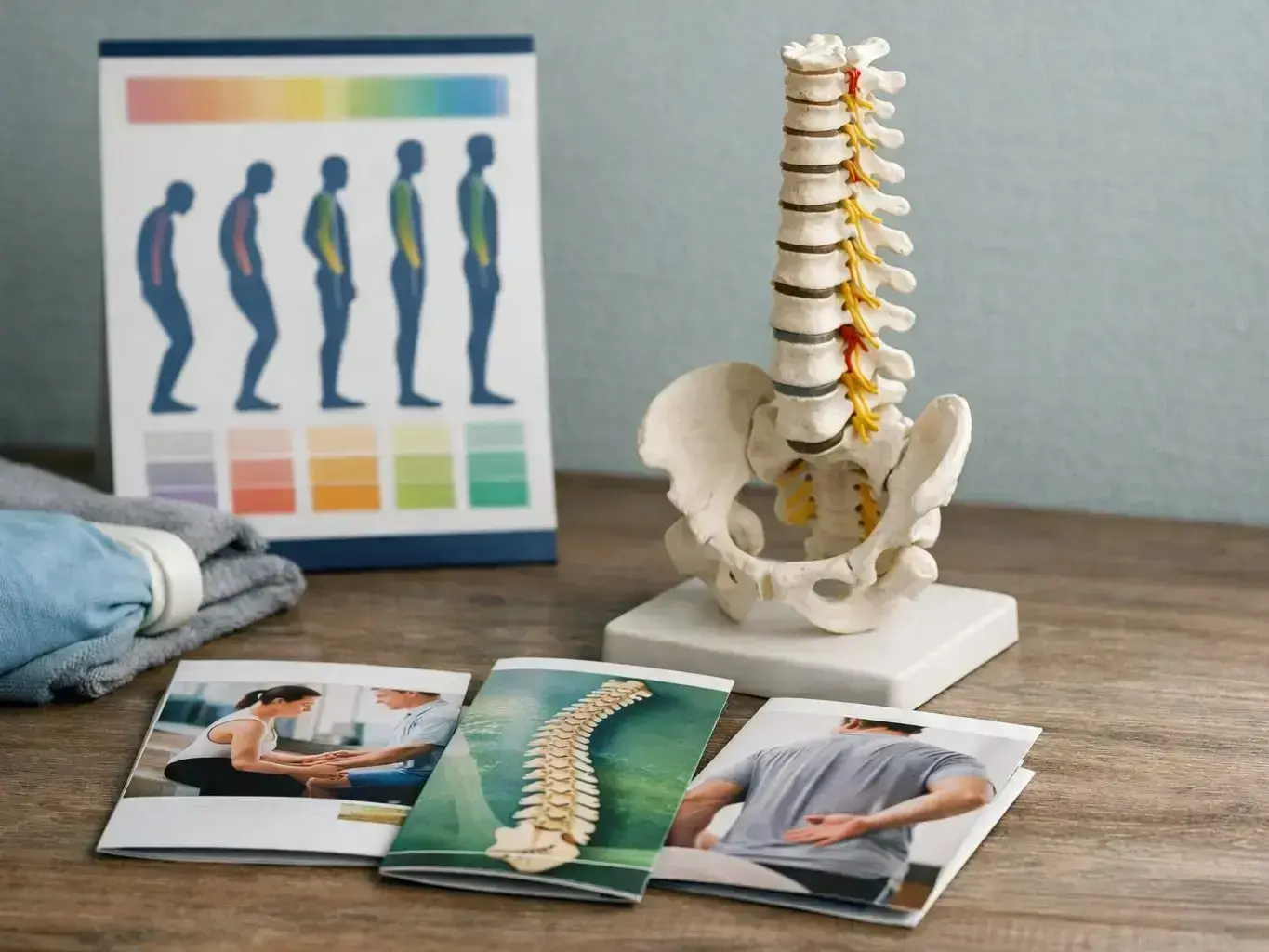
Chiropractic Manipulation in Chiropractor—Brentwood Estates

Chiropractic Manipulation is a way to treat joint problems. It's also called spinal or joint manipulation.

Related glossary terms: Chiropractic Adjustment, Spinal Manipulation, Chiropractic Care.

Chiropractors use this method. It helps with bones, joints, muscles. And tissues. These are part of your body's frame.

When joints don't move right, they hurt. You may feel stiff or can't move well. This treatment helps joints move better.

The chiropractor uses a quick, gentle push. This push goes to the joint that needs help.

In a session, the chiropractor uses hands or a small tool. They press on the joint to help it line up right.

This push cuts swelling. It also loosens tight muscles. You might hear a pop or crack.

The pop comes from gas bubbles. They leave the joint fluid. This sound is normal and safe.

Most often, chiropractors treat the spine. But they can also help shoulders, hips. And knees.

How Chiropractic Manipulation Works?

Chiropractic Manipulation helps stuck or crooked joints. When joints don't move right, they hurt.

You may feel stiff. Nearby muscles and nerves can also hurt. The push helps stretch the joint.

This lets the joint move freely. It can ease pain fast for some people. Others need more visits to feel better.

The chiropractor checks you first. They ask about your health and give a physical exam.

They may take X-rays. This helps them see the problem. Then they find the joint that needs help.

The chiropractor puts you in a certain position. This targets the joint. The push takes just a few seconds.

After, you may feel better. You might move easier. Some people feel a little sore.

The soreness feels like after exercise. It usually goes away in a day or two.

Why Chiropractic Manipulation Matters?

Chiropractic Manipulation helps without surgery or drugs. It eases pain and helps you move better.

Many people choose it over pills or surgery. It works well for back pain, neck pain. And headaches.

Studies show it helps with some pain. It works best with exercise and therapy. It also helps after car accidents or sports injuries.

People get better faster. They can go back to daily life sooner.

Chiropractic Manipulation fixes the real problem. It doesn't just hide pain.

If a joint moves poorly, muscles or nerves can hurt. The push fixes the joint. This gives longer relief.

It stops pain from coming back. But it's not right for everyone.

Chiropractors make plans for each person. They think about your needs and goals.

When Chiropractic Manipulation Matters Most?

Chiropractic Manipulation helps with pain and stiffness. It also helps if you can't move well.

It's good for back pain, neck pain. And headaches. It helps shoulders, hips. And knees too.

It's often used after car crashes or sports injuries. It helps with work strain and sciatica (nerve pain).

If rest, ice. Or pills don't help, try this. Many people feel better after.

But it's not for everyone. People with weak bones or spine problems may need other help.

Those with arthritis may also need to avoid it. Pregnant women and older adults can try it.

The chiropractor will change the push to keep them safe.

Talk to your chiropractor first. Tell them about your health. They'll help you decide if it's right for you.

How to Evaluate Chiropractic Manipulation?

Related Concepts Compared

Chiropractic Manipulation vs. Spinal Adjustment

Spinal Adjustment is a type of Chiropractic Manipulation focused specifically on the spine. While manipulation can be applied to any joint in the body.

Chiropractic Manipulation vs. Physical Therapy

Physical Therapy often includes exercises and stretches to strengthen muscles. While Chiropractic Manipulation focuses on restoring joint movement using hands-on techniques.

Chiropractic Manipulation vs. Massage Therapy

Massage Therapy targets muscles and soft tissues to relieve tension. While Chiropractic Manipulation focuses on joints and their movement.

Expert Note

Chiropractic Manipulation is most effective when combined with other therapies like exercise, stretching. And lifestyle changes. A single session may provide temporary relief. But lasting improvement often requires a comprehensive treatment plan tailored to the patient’s needs.

Common Mistakes or Myths About Chiropractic Manipulation

  • Thinking Chiropractic Manipulation is only for back pain—it can help other joints too.
  • Assuming the popping sound means the joint is fixed—it’s just gas being released.
  • Believing one session will cure chronic pain—most conditions need multiple treatments.
  • Confusing Chiropractic Manipulation with massage—manipulation focuses on joints, not muscles.

Chiropractic Manipulation in Practice: A Real-World Example

After a car accident, a patient experiences neck pain and stiffness that makes it difficult to turn their head. Their chiropractor performs Chiropractic Manipulation on the cervical spine, applying gentle pressure to restore movement. After the session, the patient notices improved range of motion and reduced pain, allowing them to return to work and daily activities more comfortably.

Related Services

Related Terms

Chiropractic Adjustment

Chiropractic Adjustment is a hands-on procedure where a licensed chiropractor applies controlled force to a specific joint in the spine or other body part. The goal is to improve spinal motion, reduce nerve irritation. And restore proper function to muscles and joints. Adjustments are commonly used to treat back pain, neck pain, headaches. And joint stiffness.

Spinal Manipulation

Spinal Manipulation is a hands-on treatment technique used by chiropractors and other healthcare providers to apply controlled force to joints in the spine. This process aims to improve spinal motion, reduce pain. And enhance physical function by addressing stiffness or misalignments in the vertebrae. It's often called a spinal adjustment and is a core part of chiropractic care.

Chiropractic Care

Chiropractic Care is a healthcare profession focused on diagnosing and treating musculoskeletal disorders, primarily through manual adjustments to the spine and other joints. Chiropractic Care aims to improve mobility, reduce pain. And support the body’s natural ability to heal without surgery or medication. It's commonly used for back pain, neck pain, headaches. And joint issues.

Cervical Spine

Cervical Spine is the uppermost part of the spinal column, consisting of seven vertebrae labeled C1 to C7. These bones form the neck, support the skull, protect the spinal cord. And allow head movement in multiple directions. The cervical spine also contains nerves that control sensation and function in the arms, hands.

Advanced Injury Care Clinic

Have Questions About Chiropractic Manipulation?

Contact Advanced Injury Care Clinic for practical guidance on Chiropractic Manipulation and related chiropractor work in Brentwood Estates.

+1 615-777-0624