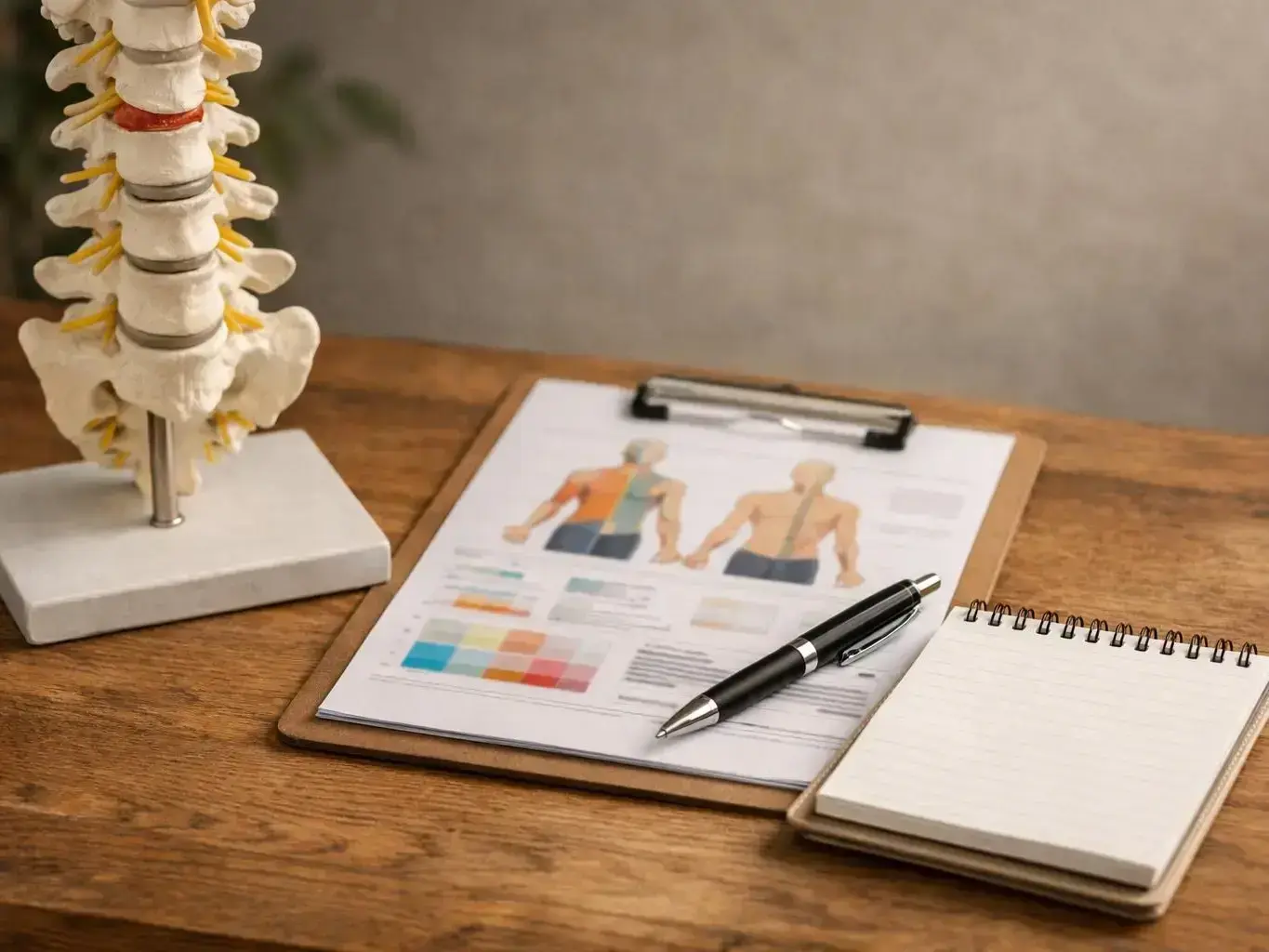
Neuromuscular Reeducation is a therapeutic process that retrains the brain, nerves. And muscles to work together correctly after injury, surgery. Or chronic pain. It uses specific exercises, manual techniques. And sensory feedback to restore normal movement patterns, reduce pain. And improve coordination and strength.
Category
Therapeutic technique
Used for
Injury recovery, pain reduction, movement restoration
Common confusion
Often mistaken for general strength training or massage
Also called
NMR, Neuromuscular Retraining
Often discussed with
Car Accident Injury Treatment, Work Injury Treatment

Neuromuscular reeducation helps the body move right again. It is a special method used in physical medicine.
Related glossary terms: Chiropractic Adjustment, Myofascial Release, Range of Motion.
When muscles or nerves get hurt, the brain forgets how to control them. This can cause pain or weak movements. It can happen even after the injury heals.
This method uses exercises to fix the brain-muscle connection. It helps the brain and body work together again.
It's not just about making muscles stronger. It helps the brain and body talk better.
For example, a sprained ankle may still make you limp. The brain keeps sending bad signals. This method teaches the brain to send the right ones.
It works well with other treatments. These include chiropractic care or physical therapy.
This method uses repeated, special movements. It helps the nerves and muscles work together.
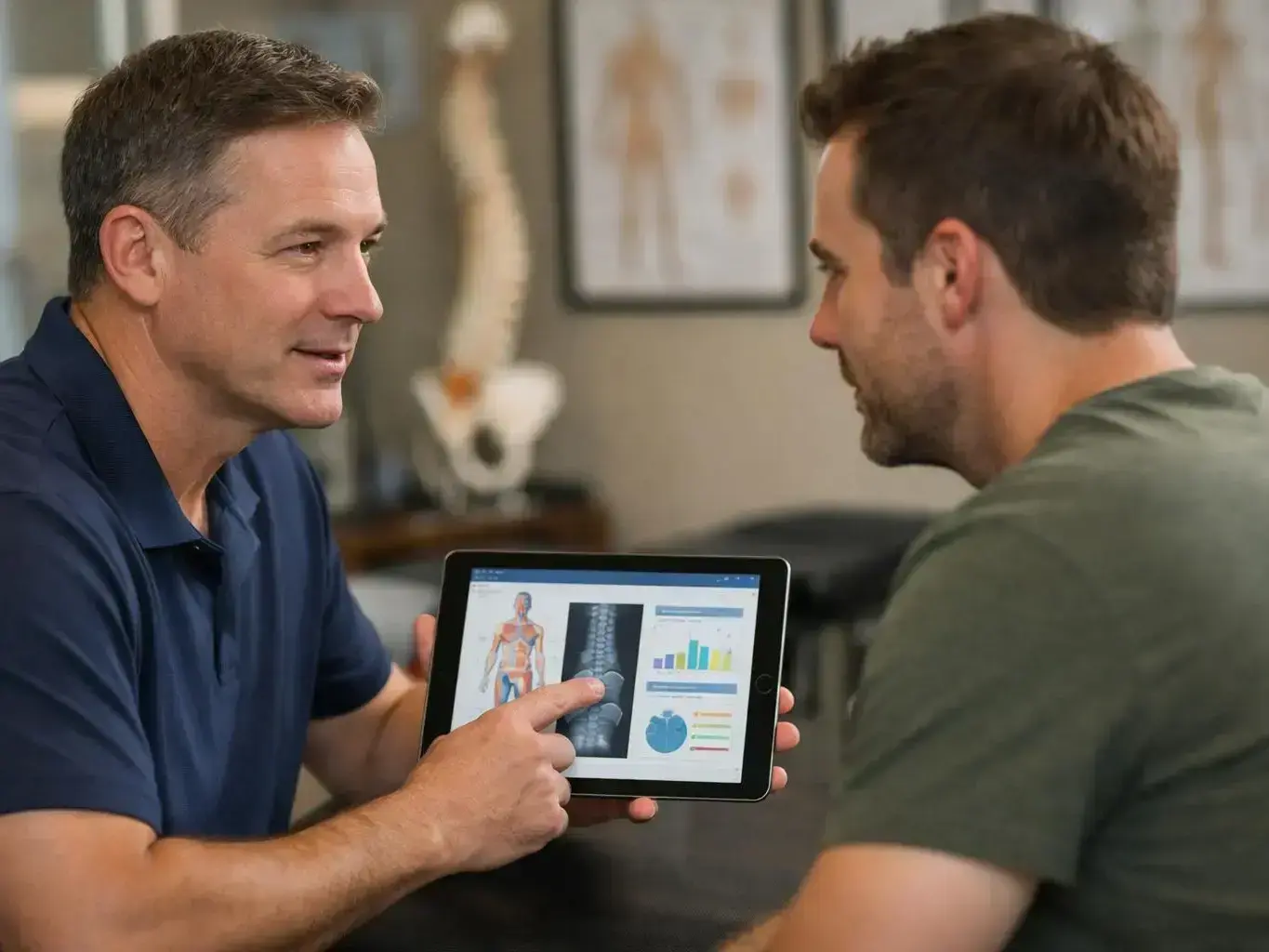
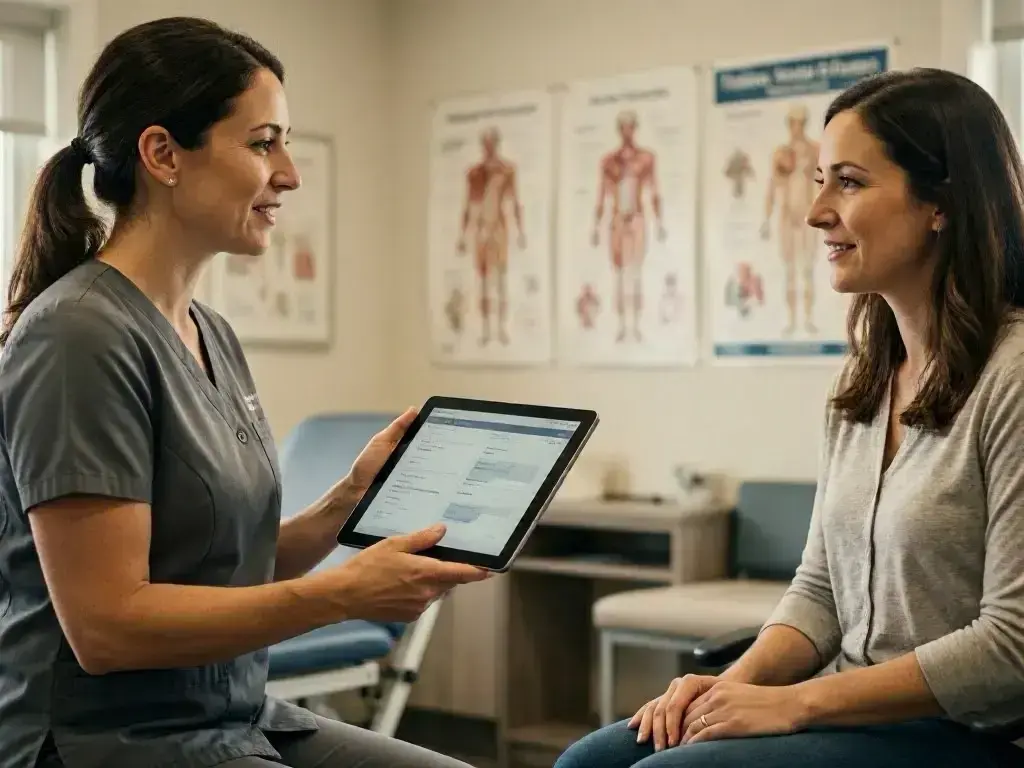
A chiropractor or therapist guides you. They show you exercises for the hurt area.
Exercises may include balance or resistance training. They may also use gentle pressure or stretching.
The goal is to teach the brain the right movements. It helps stop the wrong ones.
Feedback is very important. The therapist may use mirrors or special devices.
They help you see and feel the right way to move. Over time, these movements become natural.
This can make you stronger and reduce pain. It can also help you move better.
The exercises change based on your needs. But they all help you move normally again.

This method helps people move better without drugs or surgery. It can reduce pain too.
Many injuries can mess up how your body moves. Strains, pinched nerves. Or surgery can cause this.
Without retraining, these problems can last a long time. They can cause lasting pain or trouble moving.
This method fixes the real cause. It helps the body move naturally again.
It also helps stop future injuries. Muscles and nerves work better together.
This makes your body move easier and safer. It helps avoid strain.
Athletes, workers. Or anyone hurt can use this. It helps them go back to activities safely.
It gives them confidence. It's a smart way to stay healthy and mobile.
This method helps most after injuries or surgeries. It helps when normal movement is hard.
A car accident may cause muscle weakness or pain. It can make walking or lifting hard.
Athletes with injuries may need to relearn movements. This helps them avoid getting hurt again.
It also helps with long-term problems. These include back pain or nerve issues.
These problems can cause muscle imbalances. They can make moving hard.
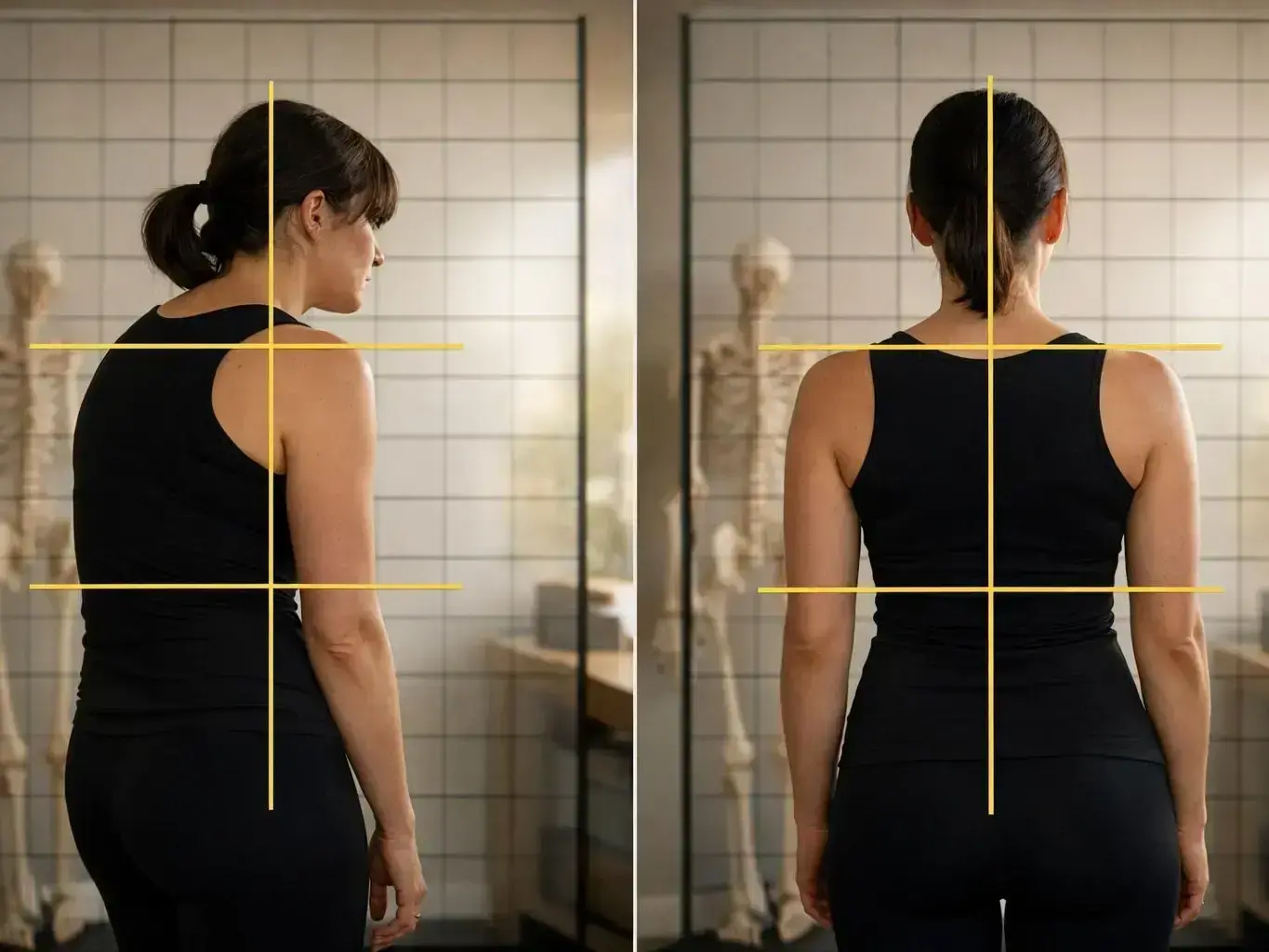
It also helps people with bad movement habits. Sitting too long can cause rounded shoulders.
It can make your core weak. This can lead to pain or stiffness.
This method teaches the body to move better. It helps people in Brentwood Estates, TN.
Many there lead active lives. Some have jobs that are hard on the body.
This method helps them stay mobile. It helps prevent injuries too.
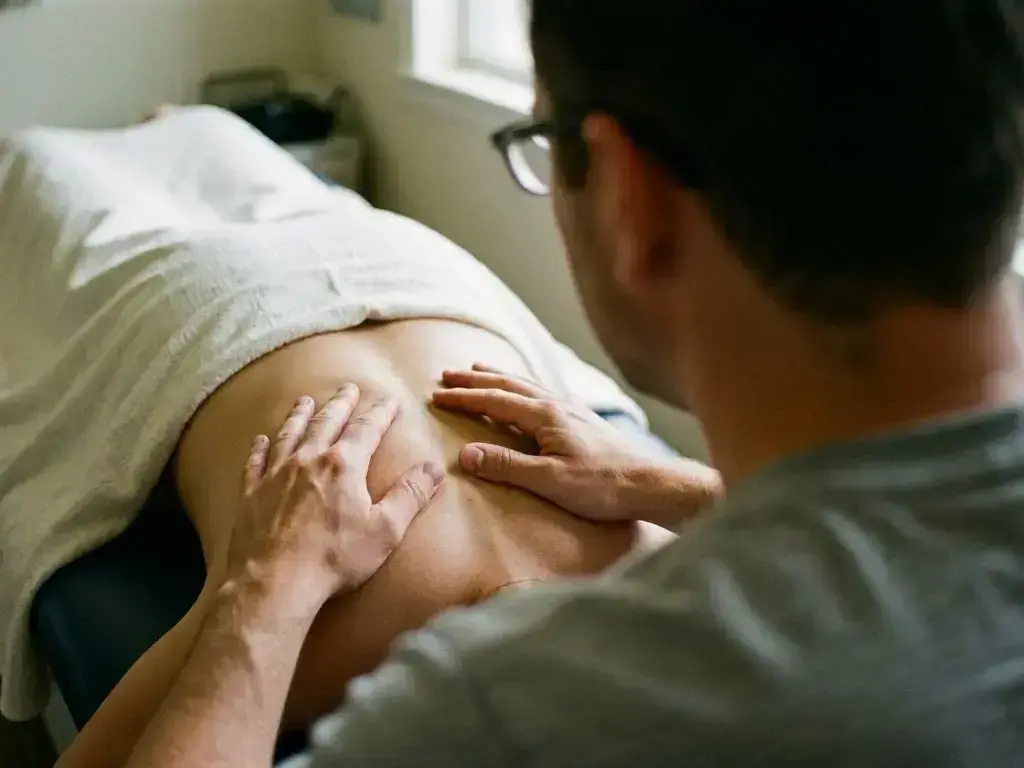
Physical therapy focuses on overall strength, flexibility. And mobility. While Neuromuscular Reeducation specifically targets the connection between nerves and muscles to restore proper movement patterns.
Myofascial Release works on releasing tension in the connective tissue. While Neuromuscular Reeducation retrains the nervous system and muscles to work together correctly.
Strength training builds muscle power. While Neuromuscular Reeducation focuses on improving the brain-muscle connection for better coordination and movement.
Neuromuscular Reeducation is most effective when combined with other therapies like chiropractic adjustments or soft tissue work. It’s not just about repeating exercises—it’s about ensuring the brain and body communicate correctly to restore function.
After a car accident, a patient may struggle with neck pain and limited range of motion. A chiropractor uses Neuromuscular Reeducation to guide the patient through gentle exercises that retrain the neck muscles to move properly. Over time, the patient regains strength and coordination, reducing pain and improving mobility.
Chiropractic Adjustment is a hands-on procedure where a licensed chiropractor applies controlled force to a specific joint, usually in the spine, to improve alignment, reduce pain. And restore normal movement. These adjustments are based on the idea that proper spinal alignment supports the body’s natural ability to heal itself without surgery or medication.
Myofascial Release is a hands-on therapy that gently stretches and loosens the fascia, the thin layer of connective tissue surrounding muscles, bones. And organs. This technique helps reduce pain, improve movement. And restore function by releasing tightness or restrictions in the fascia caused by injury, inflammation. Or poor posture.
Range of Motion is the full movement potential of a joint, typically measured in degrees of a circle. It shows how far a joint can move in different directions, like bending, straightening. Or rotating. Healthy joints have a normal range. While injuries or conditions may limit it. Chiropractors and doctors use this measure to assess joint health and track recovery.
Soft Tissue Therapy is a hands-on treatment method that targets muscles, tendons, ligaments. And fascia to reduce pain, improve mobility. And promote healing. It includes techniques like massage, stretching. And pressure to break up scar tissue, ease tension. And restore normal function without surgery or medication.
Nerve Compression is a condition where a nerve is squeezed or pressed by surrounding tissues like bones, muscles. Or tendons. This pressure can disrupt nerve function, causing pain, tingling, numbness. Or weakness in the affected area. Nerve Compression often occurs in the spine, wrists. Or elbows and may result from injury, repetitive motion.
ChiropractorBrentwoodEstates.link
Contact ChiropractorBrentwoodEstates.link for practical guidance on Neuromuscular Reeducation and related chiropractor work in Brentwood Estates.