Glossary

What is Chronic Pain?

Chronic Pain is persistent discomfort lasting three months or longer, even after the initial injury or illness has healed. Chronic Pain often signals changes in the nervous system rather than ongoing tissue damage, affecting daily activities, sleep. And emotional well-being. Unlike short-term pain, it requires long-term management strategies to improve quality of life.

Reviewed by ChiropractorBrentwoodEstates.linkSources reviewed: Centers for Disease Control and Prevention (CDC), National Institute of Neurological Disorders and Stroke (NINDS)

Quick Facts About Chronic Pain

Category

Long-term medical condition

Used for

Identifying persistent pain needing ongoing care

Common confusion

Mistaken for temporary or acute pain

Also called

Long-term pain, Persistent pain

Often discussed with

Back Pain Treatment, Neck Pain Treatment

Key Takeaways About Chronic Pain

Understanding Chronic Pain

Chronic Pain in Chiropractor: Chronic Pain is persistent discomfort lasting three months or longer, even after—visual guide

Chronic Pain is a complex condition that goes beyond the typical healing timeline of an injury or illness. While acute pain serves as a warning signal for the body, Chronic Pain persists long after the initial cause has resolved. This type of pain can stem from conditions like arthritis, nerve damage. Or past injuries. But it often involves changes in how the brain and nerves process pain signals. Over time, these changes can make pain feel more intense or widespread, even when no new damage occurs.

Related glossary terms: Acute Pain, Inflammation, Nerve Compression.

Living with Chronic Pain affects more than just physical comfort. It can disrupt sleep, limit mobility. And impact emotional health, leading to frustration, anxiety. Or depression. Because the pain is ongoing, it can also interfere with work, hobbies. And relationships. Unlike short-term pain, which usually fades with rest or treatment, Chronic Pain requires a different approach. The goal shifts from eliminating pain entirely to improving daily function and quality of life through a combination of therapies.

How Chronic Pain Works?

Chronic Pain involves a mix of physical, neurological. And emotional factors. When an injury or illness occurs, pain signals travel through nerves to the brain, alerting the body to potential harm. In most cases, these signals fade as the body heals. But in Chronic Pain, the nervous system can become hypersensitive, amplifying pain signals even when no new damage is present. This process, called central sensitization, can make everyday sensations—like touch or movement—feel painful.

Doctors often measure Chronic Pain using tools like pain scales, where patients rate their pain from 0 to 10. Or questionnaires that assess how pain affects daily life. Imaging tests, such as X-rays or MRIs, may help identify structural issues like arthritis or disc herniation. But they don’t always explain the pain itself. Blood tests or nerve studies can rule out other conditions. But Chronic Pain is often diagnosed based on symptoms and medical history rather than a single test.

Why Chronic Pain Matters?

How Chronic Pain applies to Chiropractor services in Brentwood Estates, United States—practical illustration

Chronic Pain is more than just a physical sensation—it’s a condition that can reshape a person’s life. People with Chronic Pain may struggle with tasks that once felt effortless, like lifting groceries, sitting through a meeting. Or playing with their children. The constant strain of pain can also lead to fatigue, mood swings. Or feelings of isolation, as social activities or hobbies become harder to enjoy. Over time, this can affect mental health, increasing the risk of anxiety or depression.

Managing Chronic Pain effectively can restore independence and improve well-being. While pain may not disappear completely, treatments like physical therapy, medication. Or lifestyle adjustments can help people regain control over their daily routines. Early intervention is key, as untreated Chronic Pain can lead to long-term disability, reduced mobility. Or reliance on painkillers, which carry their own risks. Addressing Chronic Pain proactively can prevent it from becoming a barrier to a fulfilling life.

When Chronic Pain Matters Most?

Chronic Pain becomes especially important when it starts interfering with daily responsibilities or personal goals. For example, someone with Chronic back pain might struggle to perform their job, care for their family. Or enjoy hobbies like gardening or sports. Pain that disrupts sleep can lead to exhaustion, making it harder to concentrate at work or school. Emotional strain from ongoing pain can also strain relationships, as irritability or withdrawal may create distance from loved ones.

Certain situations make Chronic Pain more urgent to address. If pain worsens suddenly, spreads to new areas. Or causes numbness, weakness. Or loss of bladder control, it may signal a serious underlying issue requiring immediate medical attention. People with Chronic Pain may also face challenges working through insurance coverage, workplace accommodations. Or legal claims related to their condition. In these cases, working with healthcare providers, employers. Or legal professionals can help ensure access to the right treatments and support.

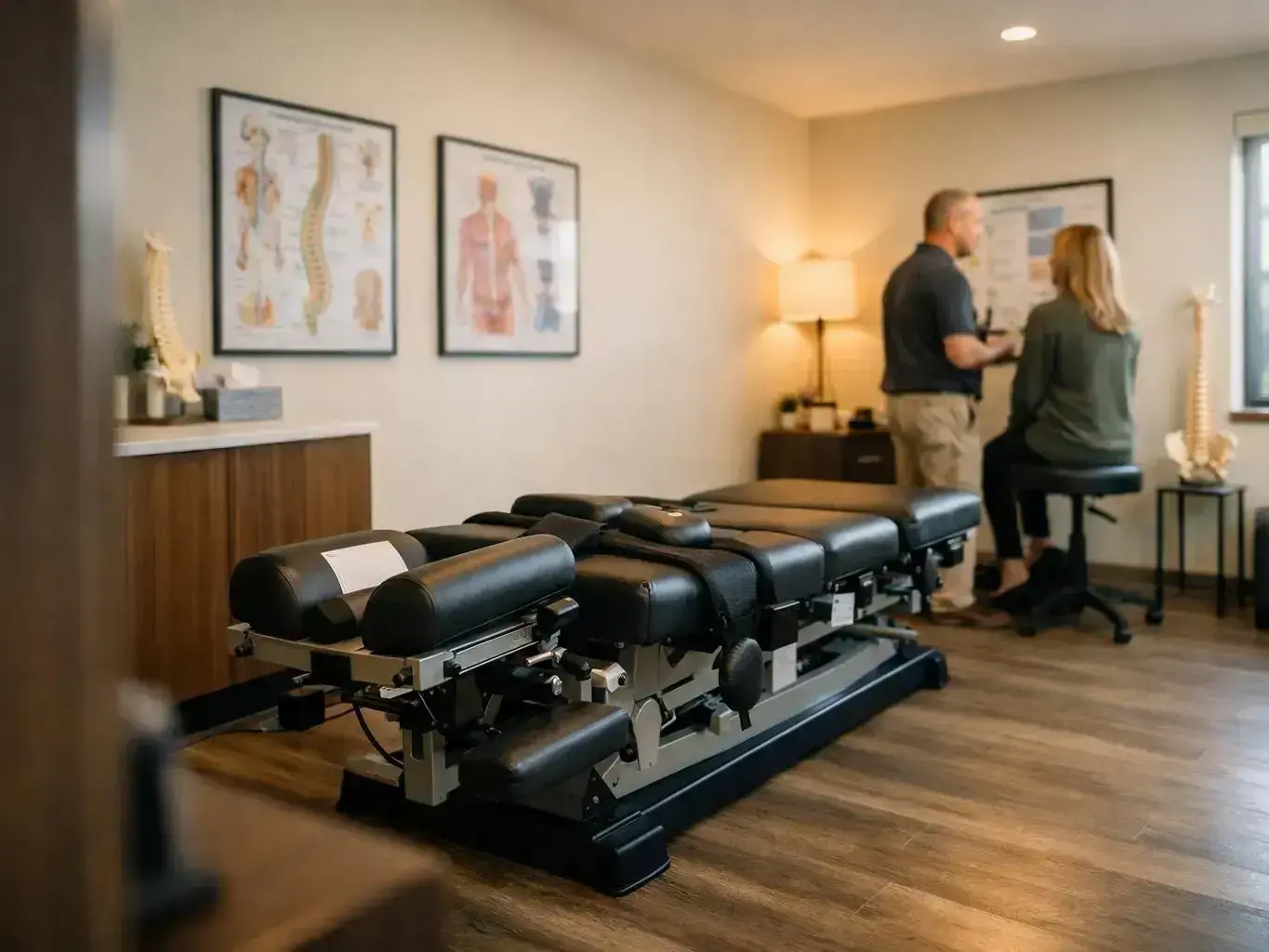
How to Evaluate Chronic Pain?

Related Concepts Compared

Chronic Pain vs. Acute Pain

Acute Pain is short-term and usually linked to an injury or illness. While Chronic Pain lasts months or years and may persist after healing.

Chronic Pain vs. Inflammation

Inflammation is the body’s response to injury or infection, often causing temporary pain. While Chronic Pain is ongoing and may not involve active inflammation.

Expert Note

Chronic Pain often involves more than just physical damage—it can rewire how the brain perceives pain. Addressing both the body and mind through therapies like exercise, stress management. And cognitive behavioral therapy can improve outcomes.

Common Mistakes or Myths About Chronic Pain

  • Assuming Chronic Pain is just "in your head" because no visible injury remains.
  • Expecting Chronic Pain to disappear completely with short-term treatments like rest or medication.
  • Ignoring emotional or mental health impacts, like stress or depression, that worsen Chronic Pain.
  • Overusing painkillers without exploring non-drug therapies like physical therapy or lifestyle changes.

Chronic Pain in Practice: A Real-World Example

After a car accident, a patient experiences back pain that improves with rest but never fully goes away. Over time, the pain worsens, making it difficult to sit at a desk or play with their children. Their doctor diagnoses Chronic Pain and recommends physical therapy, gentle exercise. And stress-reduction techniques to manage symptoms.

Sources & Further Reading on Chronic Pain

Related Services

Related Terms

Acute Pain

Acute Pain is sudden, sharp discomfort that starts quickly and lasts a short time, usually less than three to six months. Acute Pain acts as a warning signal from the body that injury, illness. Or tissue damage may have occurred, prompting immediate attention to prevent further harm.

Inflammation

Inflammation is the body’s natural response to injury, infection. Or irritation, designed to protect and heal damaged tissues. It involves increased blood flow, white blood cells. And chemical signals that cause redness, warmth, swelling. Or pain. While acute inflammation is temporary and helpful, chronic inflammation can contribute to long-term health problems like arthritis or back pain.

Nerve Compression

Nerve Compression is a condition where a nerve is squeezed or pressed by surrounding tissues like bones, muscles. Or tendons. This pressure can disrupt nerve function, causing pain, tingling, numbness. Or weakness in the affected area. Nerve Compression often occurs in the spine, wrists. Or elbows and may result from injury, repetitive motion.

Disc Herniation

Disc Herniation is a spinal condition where the soft inner gel of a spinal disc leaks through a tear in its tough outer layer. This leakage can press on nearby nerves, causing pain, numbness. Or weakness in the back, neck, arms. Or legs. Disc herniations often occur in the lower back or neck due to injury, aging. Or strain.

Spinal Stenosis

Spinal Stenosis is a narrowing of the spaces within the spine, which can put pressure on the nerves that travel through it. This condition most commonly occurs in the lower back and neck and often develops due to aging, arthritis. Or wear-and-tear changes in the spine. Symptoms may include pain, numbness. Or weakness in the legs, arms. Or torso.

ChiropractorBrentwoodEstates.link

Have Questions About Chronic Pain?

Contact ChiropractorBrentwoodEstates.link for practical guidance on Chronic Pain and related chiropractor work in Brentwood Estates.

+1 615-777-0624