Glossary

What is Spinal Stenosis?

Spinal Stenosis is a narrowing of the spaces within the spine, which can put pressure on the nerves that travel through it. This condition most commonly occurs in the lower back and neck and often develops due to aging, arthritis. Or wear-and-tear changes in the spine. Symptoms may include pain, numbness. Or weakness in the legs, arms. Or torso.

Reviewed by ChiropractorBrentwoodEstates.linkSources reviewed: Mayo Clinic, National Institute of Arthritis and Musculoskeletal and Skin Diseases

Quick Facts About Spinal Stenosis

Category

Spinal condition

Used for

Diagnosing nerve compression in the spine

Common confusion

Often mistaken for general back pain or sciatica

Also called

Spinal Narrowing, Cervical Stenosis

Often discussed with

Back Pain Treatment, Personal Injury Chiropractic Care

Key Takeaways About Spinal Stenosis

Understanding Spinal Stenosis
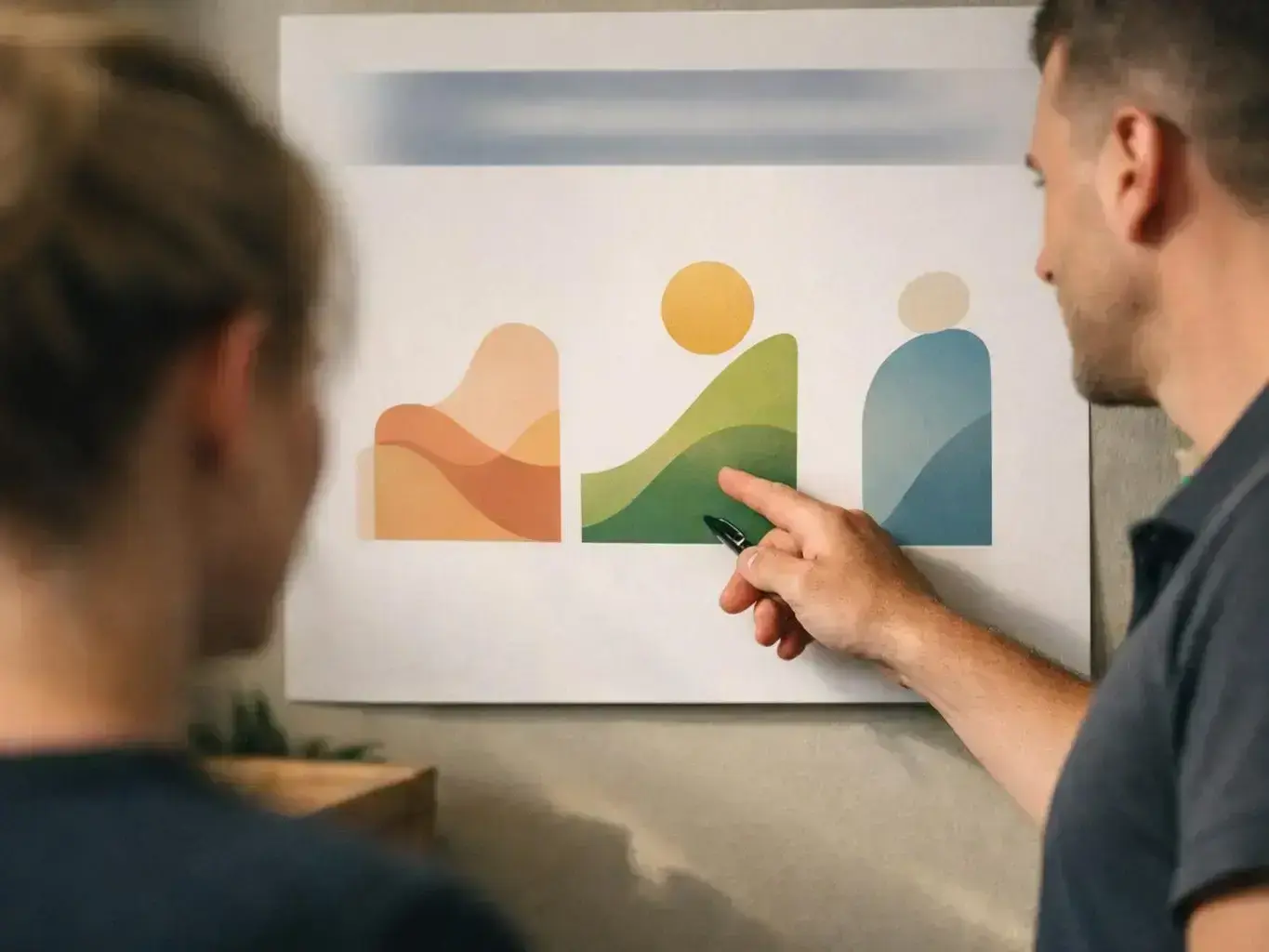
Spinal Stenosis in Chiropractor: Spinal Stenosis is a narrowing of the spaces within the spine, which—visual guide

Spinal Stenosis makes spaces in the spine too small. This can squeeze the spinal cord. It can also squeeze the nerves.

Related glossary terms: Nerve Compression, Disc Herniation, Chronic Pain.

The spine has bones called vertebrae. These bones stack up. They protect the spinal cord.

Small openings sit between these bones. Nerves go through them. They reach other body parts.

When these openings shrink, they press on nerves. This causes pain or tingling.

Most people get Spinal Stenosis as they age. Discs between bones dry out. They get smaller over time.

Bones and ligaments may grow thicker. This happens with arthritis. It leaves less room for nerves.

Some people feel no symptoms. Others feel pain or weakness. They may feel it in legs, arms. Or back.

Pain often gets worse with activity. Walking or standing can cause it. Sitting or bending may help.

How Spinal Stenosis Is Diagnosed and Measured?

Doctors diagnose Spinal Stenosis in a few ways. They ask about your health. They give a physical exam.

They check for nerve problems. These include weak muscles. They also check slow reflexes.

Doctors use imaging tests. These include X-rays and MRI scans. They show the spine clearly.

These tests help find narrowing. They show how bad it is. They also show which nerves are hurt.

Spinal Stenosis has types. Cervical stenosis is in the neck. Lumbar stenosis is in the lower back.

Lumbar stenosis is more common. It often causes leg pain. This happens when walking.

Cervical stenosis can be serious. It may cause numbness. It can also affect balance.

Doctors rate it mild, moderate. Or severe. This depends on how narrow the spine is. It also depends on nerve damage.

Why Spinal Stenosis Matters?

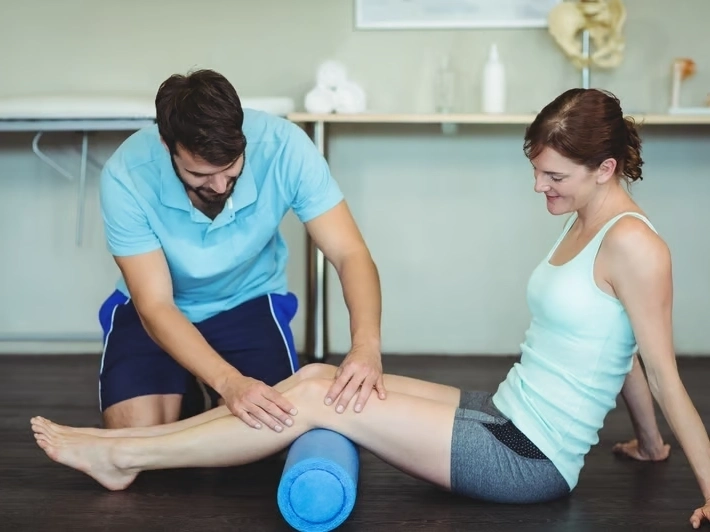
How Spinal Stenosis applies to Chiropractor services in Brentwood Estates, United States—practical illustration

Spinal Stenosis matters a lot. It can hurt your daily life. Pain or weakness makes things hard.

Simple tasks may feel tough. Walking or standing can hurt. Even sitting may feel bad.

The problem can get worse. It may make moving harder. It can also hurt coordination.

In bad cases, it affects bladder control. This needs quick medical help. Don't wait if this happens.

Early help is key. The condition can't always be fixed. But treatments can help.

Physical therapy may ease pain. Medicine can help too. Lifestyle changes matter as well.

Sometimes surgery is needed. It makes more room for nerves. This can help you move better.

Knowing about it helps you decide. You can take care of your spine. This keeps you healthy.

When Spinal Stenosis Matters Most?

Spinal Stenosis matters when it disrupts life. Short walks may cause leg pain. This can be a bad sign.

Balance problems are serious. So are frequent falls. These may mean cervical stenosis.

Active jobs or hobbies may make it worse. Symptoms can flare up. This makes staying active hard.

Mild cases need simple fixes. Exercises may help. So can pain pills or chiropractic care.

If symptoms don't improve, other help is needed. Injections may help. Surgery might be needed too.

Regular doctor visits help. They track the condition. They adjust treatment as needed.

Older adults need to watch it. So do people with health issues. This keeps them independent.
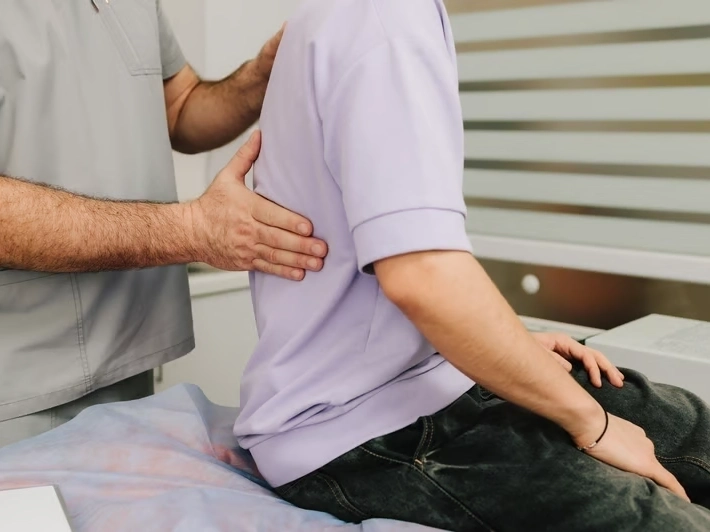
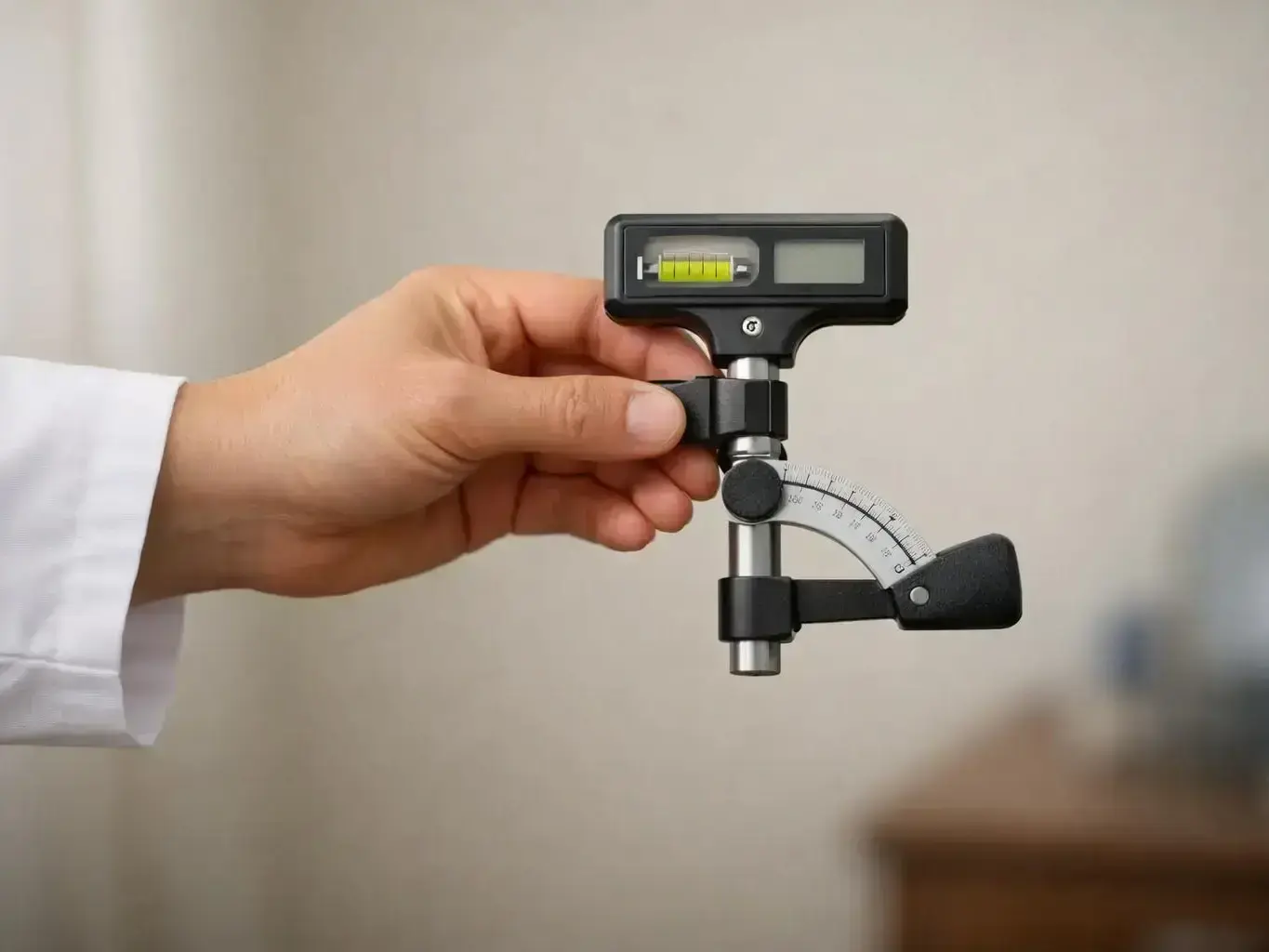
How to Evaluate Spinal Stenosis?

Related Concepts Compared

Spinal Stenosis vs. Disc Herniation

Disc herniation occurs when a spinal disc bulges or ruptures, pressing on nearby nerves. Spinal Stenosis involves narrowing of the spinal canal itself, which can squeeze multiple nerves.

Spinal Stenosis vs. Sciatica

Sciatica refers to pain caused by irritation of the sciatic nerve, often due to a herniated disc. Spinal Stenosis can cause sciatica-like symptoms but is caused by narrowing of the spinal canal rather than a single nerve issue.

Expert Note

Spinal Stenosis often develops gradually. So symptoms may not appear until the narrowing is significant. Regular movement and posture awareness can help manage early signs and slow progression.

Common Mistakes or Myths About Spinal Stenosis

  • Ignoring early symptoms like occasional back pain or numbness, assuming they are just part of aging.
  • Confusing Spinal Stenosis with general arthritis or muscle strain without proper diagnosis.
  • Believing surgery is the only treatment option, when many cases can be managed with therapy or lifestyle changes.
  • Assuming symptoms will not worsen over time, leading to delayed treatment.

Spinal Stenosis in Practice: A Real-World Example

An older adult notices leg pain and cramping after walking for a few minutes. But the pain goes away when they sit down. After seeing a doctor, they learn they have lumbar spinal stenosis. With physical therapy and exercises, they manage their symptoms and stay active.

Sources & Further Reading on Spinal Stenosis

Related Services

Related Terms

Nerve Compression

Nerve Compression is a condition where a nerve is squeezed or pressed by surrounding tissues like bones, muscles. Or tendons. This pressure can disrupt nerve function, causing pain, tingling, numbness. Or weakness in the affected area. Nerve Compression often occurs in the spine, wrists. Or elbows and may result from injury, repetitive motion.

Disc Herniation

Disc Herniation is a spinal condition where the soft inner gel of a spinal disc leaks through a tear in its tough outer layer. This leakage can press on nearby nerves, causing pain, numbness. Or weakness in the back, neck, arms. Or legs. Disc herniations often occur in the lower back or neck due to injury, aging. Or strain.

Chronic Pain

Chronic Pain is persistent discomfort lasting three months or longer, even after the initial injury or illness has healed. Chronic Pain often signals changes in the nervous system rather than ongoing tissue damage, affecting daily activities, sleep. And emotional well-being. Unlike short-term pain, it requires long-term management strategies to improve quality of life.

Chiropractic Care

Chiropractic Care is a health profession focused on diagnosing and treating musculoskeletal disorders, especially those related to the spine. Chiropractic Care uses hands-on spinal adjustments and other manual techniques to improve joint function, reduce pain. And support the body’s natural ability to heal. It's often used for back pain, neck pain, headaches.

Decompression Therapy

Decompression Therapy is a non-surgical treatment designed to relieve pressure on the spine and nerves. It uses controlled traction to gently stretch the spine, creating negative pressure within spinal discs. This helps herniated or bulging discs retract, promotes nutrient flow. And reduces pain in the back, neck. Or limbs.

ChiropractorBrentwoodEstates.link

Have Questions About Spinal Stenosis?

Contact ChiropractorBrentwoodEstates.link for practical guidance on Spinal Stenosis and related chiropractor work in Brentwood Estates.

+1 615-777-0624