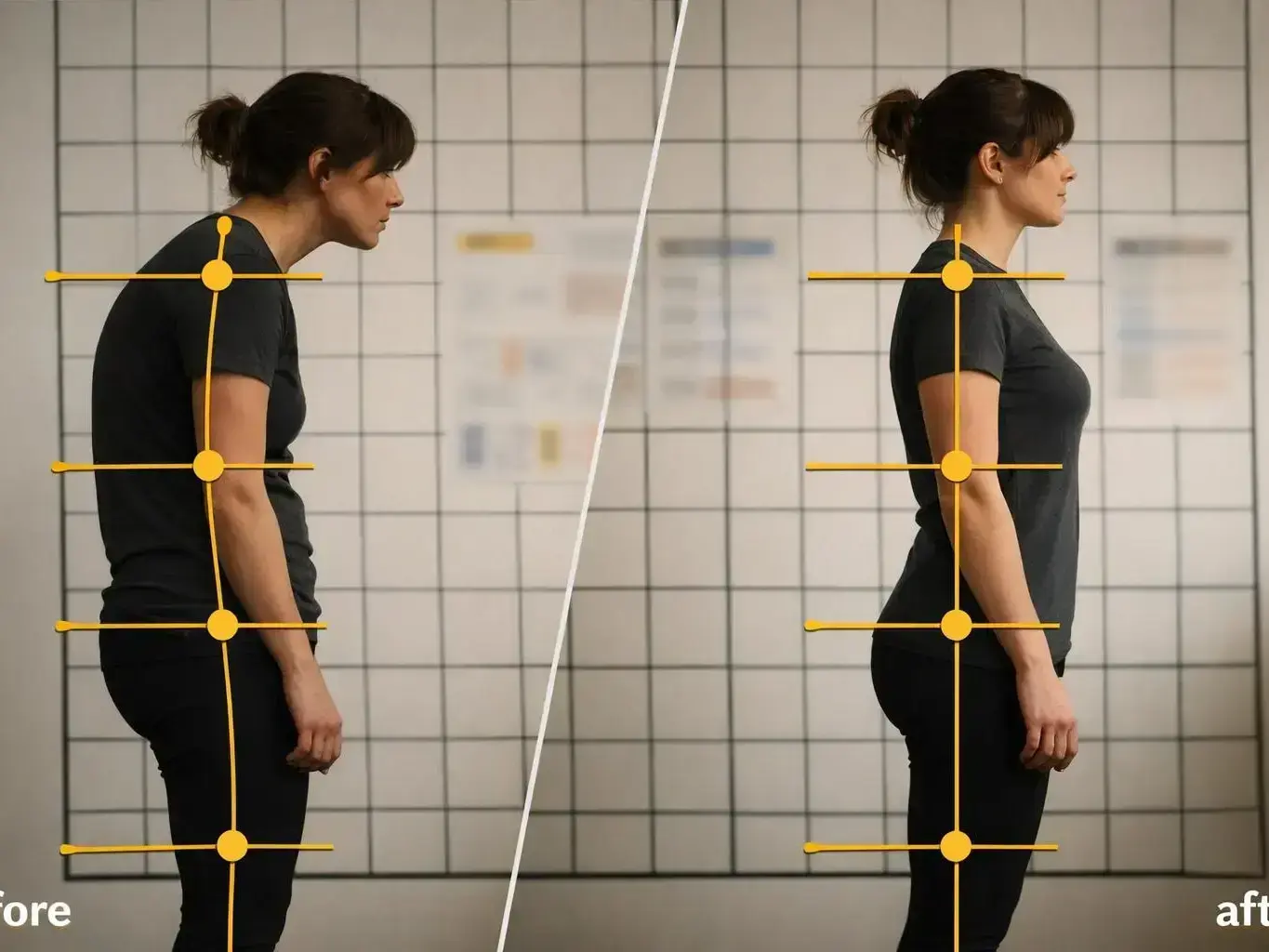
Glossary

What is Cox Flexion Distraction?

Cox Flexion Distraction is a gentle, non-surgical chiropractic technique designed to relieve spinal pain, particularly from disc herniation, sciatica. And spinal stenosis. It uses a specialized table to stretch and decompress the spine, improving mobility and reducing pressure on nerves. Developed by Dr. James Cox, this method combines flexion, distraction. And manual adjustments for targeted relief.

Reviewed by Advanced Injury Care ClinicSources reviewed: Journal of Manipulative and Physiological Therapeutics, American Chiropractic Association

Quick Facts About Cox Flexion Distraction

Category

Chiropractic technique

Used for

Disc herniation, sciatica, spinal stenosis, back pain

Common confusion

Often mistaken for general spinal manipulation or traction

Also called

Cox Technique, Flexion Distraction Therapy

Often discussed with

Back Pain Treatment, Work Injury Treatment

Key Takeaways About Cox Flexion Distraction

Understanding Cox Flexion Distraction
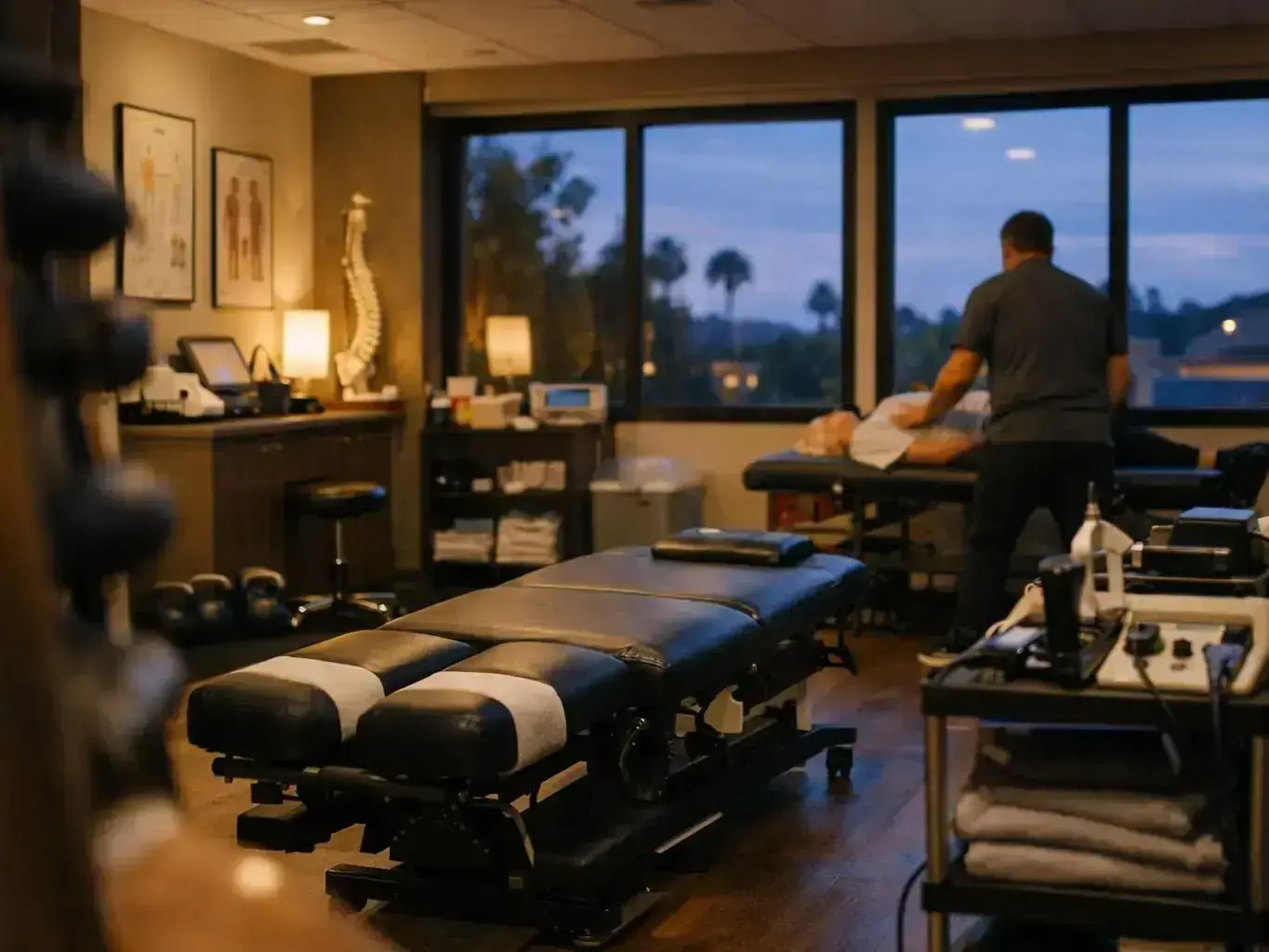
Cox Flexion Distraction in Chiropractor—Brentwood Estates

Cox Flexion Distraction is a way to help your spine. It eases pressure on your back. This helps with problems like disc herniation (a bulging disc).

Related glossary terms: Herniated Disc, Sciatica, Spinal Decompression.

It also helps with sciatica (leg pain) and spinal stenosis (a narrow spine). This method does not use quick pushes. It uses a special table to stretch your spine gently.

Dr. James Cox made this method in the 1970s. Many people now use it for pain relief. They don’t need surgery for this treatment.

How Cox Flexion Distraction Works?

The main goal is to help your spine move better. It also cuts down on nerve pain. The method works on parts of your spine that hurt.

These parts may be in your lower back or neck. A bulging disc or narrow spine can cause pain. Stretching the spine helps ease pressure on nerves.

This can stop pain that shoots down your leg. It can also stop numbness in arms or legs. Many people like it because it doesn’t use drugs.

The chiropractor (back doctor) guides you onto a special table. The table bends and stretches your spine. The doctor moves the table by hand.

They push gently on the sore spot. The table stretches your spine at the same time. This mix of bending and stretching makes space between bones.

That can move a bulging disc back. It also cuts pressure on nerves. The doctor may add small pushes with their hands.

This makes the treatment work even better. You lie on your stomach. The doctor presses on your spine while the table moves.

It happens slowly so you stay comfy. Most sessions last 10 to 20 minutes. It depends on how bad your pain is.

Studies show this method helps your spine move better. It also cuts pain from disc problems. One study said it helped people with lumbar disc herniation (a bulging disc in the lower back).

It made their pain less. It also helped them move better. The method is gentle so many people can use it.

Some people can’t handle hard pushes on their spine. This method works for them too.

Why Cox Flexion Distraction Matters?

Cox Flexion Distraction helps people with back pain. They don’t need surgery. Many have disc problems or a narrow spine.

These problems can hurt a lot. They can also make it hard to move. Surgery or pills may have risks.

Some people don’t want those. This method is a safer choice. It helps without cutting or drugs.

This method fixes the real cause of pain. It doesn’t just hide the pain. It eases pressure on your spine.

That cuts pressure on nerves too. A bulging disc or narrow spine causes pain. Fixing that gives longer relief.

It helps you move better. You can do daily tasks with less pain. The doctor can change the treatment for you.

When Cox Flexion Distraction Matters Most?

Cox Flexion Distraction helps with disc and nerve pain. It works for lumbar disc herniation (a bulging disc in the lower back).

It also helps with sciatica (leg pain). It works for spinal stenosis (a narrow spine) too. It can help with degenerative disc disease (worn-out discs).

Some people don’t get help from pills or therapy. This can be a good next step. They can try it before surgery.

It’s good for people who don’t want surgery. It’s also good for those who don’t want drugs. Some people can’t have surgery.

This may work for them. But not everyone can use it. Some spine problems are too serious.

People with bad osteoporosis (weak bones) may not use it. Neither can those with fractures or infections. A chiropractor can check if it’s safe for you.

In Brentwood Estates, TN, many people stay active. This method can help with sports injuries. It can also help after car accidents.

It works for pain from doing the same task over and over. Chiropractors here use it to help people heal. It keeps spines healthy so people stay active.


How to Evaluate Cox Flexion Distraction?

Related Concepts Compared

Cox Flexion Distraction vs. Spinal Decompression

Spinal decompression typically uses motorized tables to stretch the spine. While Cox Flexion Distraction combines manual adjustments with table movements for targeted relief.

Cox Flexion Distraction vs. Chiropractic Adjustment

Chiropractic adjustments involve quick thrusts to realign the spine, whereas Cox Flexion Distraction uses a gentler, stretching approach to decompress the spine.

Cox Flexion Distraction vs. Intersegmental Traction

Intersegmental traction uses rollers to mobilize the spine. While Cox Flexion Distraction focuses on flexion and distraction to relieve disc and nerve pressure.

Expert Note

Cox Flexion Distraction is particularly effective for patients with disc-related pain because it targets the specific biomechanics of the spine. The technique’s ability to decompress the spine while maintaining control makes it a safe option for many patients, including those with chronic conditions.

Common Mistakes or Myths About Cox Flexion Distraction

  • Assuming Cox Flexion Distraction is the same as general spinal manipulation.
  • Expecting immediate results after just one session, as multiple visits are often needed.
  • Believing the technique is only for severe cases, when it can also help mild to moderate spinal issues.
  • Overlooking the importance of a thorough examination to determine if the technique is appropriate.

Cox Flexion Distraction in Practice: A Real-World Example

A patient in Brentwood Estates, TN, visits a chiropractor after experiencing persistent lower back pain and radiating leg pain. After an examination, the chiropractor determines that a herniated disc is causing nerve compression. The patient undergoes a series of Cox Flexion Distraction sessions, during which the chiropractor uses the specialized table to gently stretch and decompress the spine. Over several weeks, the patient reports reduced pain and improved mobility, allowing them to return to daily activities without discomfort.

Sources & Further Reading on Cox Flexion Distraction

  • Journal of Manipulative and Physiological Therapeutics
  • American Chiropractic Association
  • Cox Technic

Related Services

Related Terms

Herniated Disc

Herniated Disc is a spinal condition where the soft, gel-like center of a spinal disc pushes through a tear in the tougher outer layer, often pressing on nearby nerves. This can cause pain, numbness. Or weakness in the back, legs. Or arms, depending on the disc’s location along the spine. Herniated discs commonly occur in the lower back or neck.

Sciatica

Sciatica is pain that radiates along the path of the sciatic nerve, which runs from the lower back through the hips and buttocks and down each leg. Sciatica typically affects only one side of the body and occurs when the nerve is compressed or irritated, often due to a herniated disc, bone spur. Or spinal stenosis.

Spinal Decompression

Spinal Decompression is a non-surgical treatment designed to relieve pressure on the spine and spinal nerves. It uses gentle stretching to create negative pressure within spinal discs, helping herniated or bulging discs retract and promoting healing by allowing oxygen, water.

Chiropractic Adjustment

Chiropractic Adjustment is a hands-on procedure where a licensed chiropractor applies controlled force to a specific joint in the spine or other body part. The goal is to improve spinal motion, reduce nerve irritation. And restore proper function to muscles and joints. Adjustments are commonly used to treat back pain, neck pain, headaches. And joint stiffness.

Lumbar Spine

Lumbar Spine is the lower part of the spine, consisting of five large vertebrae labeled L1 to L5, located between the rib cage and the pelvis. It supports most of the body’s weight, enables movement like bending and twisting.

Advanced Injury Care Clinic

Have Questions About Cox Flexion Distraction?

Contact Advanced Injury Care Clinic for practical guidance on Cox Flexion Distraction and related chiropractor work in Brentwood Estates.

+1 615-777-0624