Glossary

What is Impairment Rating?

Impairment Rating is a percentage score that measures how much a permanent injury limits a person’s ability to perform daily activities or work tasks. It's determined by medical professionals using standardized guidelines, often after an injury has reached maximum medical improvement. The rating helps decide compensation in workers’ compensation, personal injury. Or disability claims.

Reviewed by ChiropractorBrentwoodEstates.linkSources reviewed: American Medical Association Guides to the Evaluation of Permanent Impairment, 6th Edition, Tennessee Department of Labor & Workforce Development, Workers’ Compensation Division

Quick Facts About Impairment Rating

Category

Medical-legal assessment

Used for

Workers’ compensation and injury claims

Common confusion

Not the same as pain level or temporary symptoms

Also called

Permanent Impairment Rating, AMA Impairment Rating

Often discussed with

Work Injury Treatment, Personal Injury Chiropractic Care

Key Takeaways About Impairment Rating

Understanding Impairment Rating

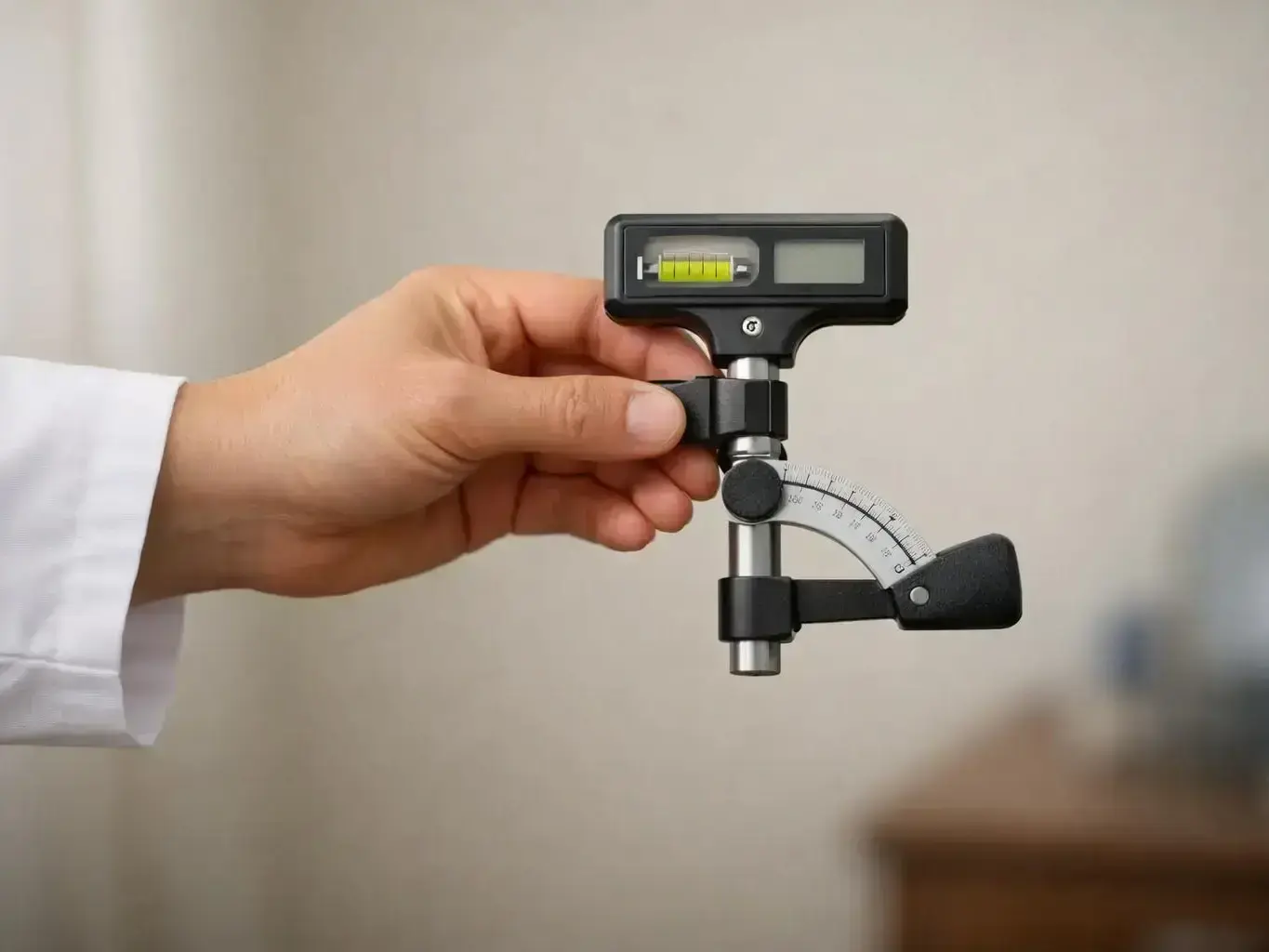
Impairment Rating in Chiropractor: Impairment Rating is a percentage score that measures how much a permanent—visual guide

An Impairment Rating shows how much a lasting injury hurts body function. It's a formal way to describe this.

Related glossary terms: Workers Compensation, Personal Injury Protection, Range of Motion.

After an accident, doctors treat the injury until it stops getting better. This stage is called maximum medical improvement.

At this point, a doctor checks for lasting problems. They do a detailed exam.

The doctor compares the results to published guidelines. These list how injuries affect function.

The final number is a percentage. This is the Impairment Rating.

A back injury might limit bending or lifting. The doctor measures this.

They match it to the guideline. If it says 10%, the rating is 10%.

This number matters. It's not about pain or daily feelings.

It's about lasting changes to body function.

How Impairment Rating Is Measured?

The process starts with a trained doctor. They know how to do impairment evaluations.

The doctor looks at medical records. They do a physical exam.

They may order tests. These can be X-rays or motion checks.

The exam focuses on the injured part. It shows how it affects daily tasks.

A shoulder injury might limit arm reach. It may also limit how much weight it can lift.

The doctor uses a guidebook. It's from the American Medical Association.

The book is called *Guides to the Evaluation of Permanent Impairment*. It lists injury rules.

It gives percentages for lost function. The doctor follows these rules.

The process is fair. Two doctors should give similar ratings for the same injury.

The rating helps decide compensation. It's used in legal or insurance cases.

Workers' comp, lawsuits. And disability programs use these ratings. They help decide benefits.

The rating doesn't promise a set dollar amount. But it's a key factor.

Why Impairment Rating Matters?

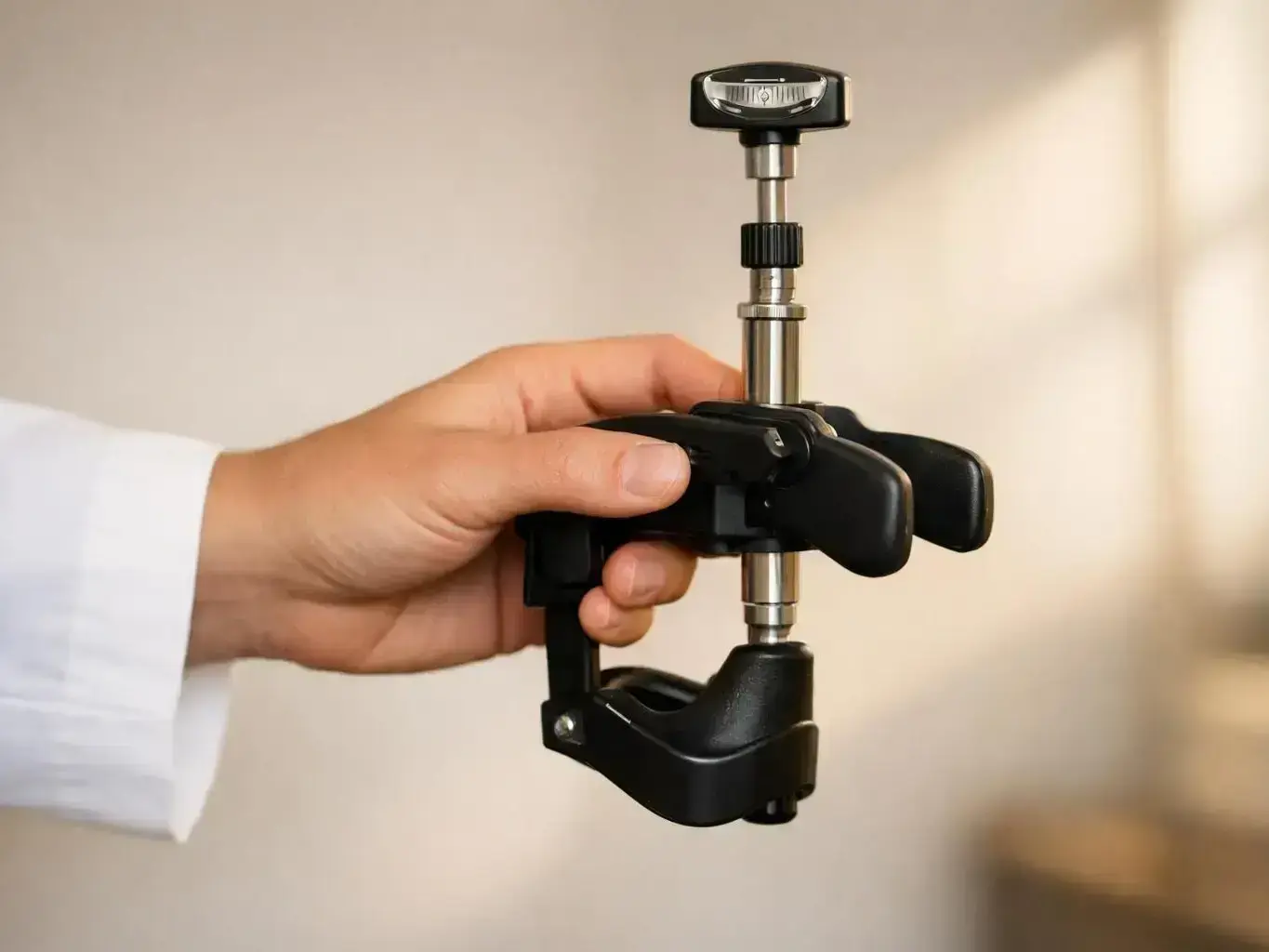
How Impairment Rating applies to Chiropractor services in Brentwood Estates, United States—practical illustration

An Impairment Rating turns medical facts into a number. Legal and insurance systems use it.

Without this rating, comparing injuries would be hard. It would be tough to decide fair compensation.

The rating affects work, money. And life quality. A higher rating often means more money.

The exact impact depends on laws. It also depends on program rules.

The rating helps close medical cases. Once given, no more improvement is expected.

This lets legal or insurance cases move forward. Employers and insurers use it to plan costs.

They also use it to plan accommodations or benefits.

When Impairment Rating Matters Most?

Impairment Ratings matter most for lasting injuries. These affect work or daily life.

Workers' comp cases use them the most. They help decide compensation for job injuries.

Personal injury lawsuits may also use them. This includes car accident cases.

Disability programs sometimes use these ratings. Social Security is one example.

But these programs have their own rules. They may not rely only on the rating.

The rating helps settle injury cases. Insurers and lawyers use it to value claims.

In some states, ratings are required by law. Tennessee is one example.

Workers' comp cases must follow specific guidelines. The process must be documented well.

This keeps things fair for workers and employers.

Chiropractors should understand these ratings. They help treat patients.

They also help provide records for legal cases.

How to Evaluate Impairment Rating?

Related Concepts Compared

Impairment Rating vs. Disability Rating

Disability Rating considers how an impairment affects a person’s ability to work. While Impairment Rating focuses only on the medical loss of function.

Impairment Rating vs. Pain Scale

Pain Scale measures how much pain a person feels at a given time. While Impairment Rating measures lasting changes to body function.

Impairment Rating vs. Functional Capacity Evaluation

Functional Capacity Evaluation tests what tasks a person can perform. While Impairment Rating assigns a percentage to permanent loss of function.

Expert Note

Impairment Ratings are not about pain or temporary symptoms. They measure lasting physical limitations after maximum medical improvement. Even a small percentage can have big financial and legal effects. So accuracy matters.

Common Mistakes or Myths About Impairment Rating

  • Thinking Impairment Rating measures pain or temporary symptoms instead of lasting function loss.
  • Assuming a higher rating always means more money without considering legal or insurance rules.
  • Believing the rating is set by insurance companies or lawyers instead of medical professionals.
  • Ignoring the need for maximum medical improvement before getting a rating.
  • Confusing Impairment Rating with disability rating or functional capacity evaluation.

Impairment Rating in Practice: A Real-World Example

After a car accident, a patient suffers a lasting back injury that limits bending and lifting. After treatment, the doctor determines the injury has reached maximum medical improvement. Using the AMA guidelines, the doctor assigns a 15% whole-person Impairment Rating. This rating is used in the patient’s workers’ compensation claim to help decide financial benefits.

Sources & Further Reading on Impairment Rating

  • American Medical Association Guides to the Evaluation of Permanent Impairment, 6th Edition
  • Tennessee Department of Labor & Workforce Development, Workers’ Compensation Division
  • National Council on Compensation Insurance

Related Services

Related Terms

Workers Compensation

Workers Compensation is a state-mandated insurance program that provides medical benefits and wage replacement to employees who suffer job-related injuries or illnesses. Workers Compensation ensures injured workers receive prompt care without proving employer fault. While employers gain protection from most lawsuits related to workplace injuries.

Personal Injury Protection

Personal Injury Protection is a type of car insurance coverage that pays for medical expenses, lost wages. And other costs after a car accident, regardless of who caused the crash. It's often called 'no-fault' insurance because it covers the policyholder and passengers even if they did not cause the accident. Coverage limits and rules vary by state.

Range of Motion

Range of Motion is the full movement potential of a joint, typically measured in degrees of a circle. It shows how far a joint can move in different directions, like bending, straightening. Or rotating. Healthy joints have a normal range. While injuries or conditions may limit it. Chiropractors and doctors use this measure to assess joint health and track recovery.

Orthopedic Tests

Orthopedic Tests are hands-on examinations chiropractors and doctors use to find muscle, joint. Or nerve problems. These tests involve specific movements, pressure. Or positions that reproduce pain or show limited motion, helping pinpoint injuries like sprains, disc herniations. Or nerve compression without machines or scans.

Chiropractic Care

Chiropractic Care is a health profession focused on diagnosing and treating musculoskeletal disorders, especially those related to the spine. Chiropractic Care uses hands-on spinal adjustments and other manual techniques to improve joint function, reduce pain. And support the body’s natural ability to heal. It's often used for back pain, neck pain, headaches.

ChiropractorBrentwoodEstates.link

Have Questions About Impairment Rating?

Contact ChiropractorBrentwoodEstates.link for practical guidance on Impairment Rating and related chiropractor work in Brentwood Estates.

+1 615-777-0624