Orthopedic Tests are hands-on examinations chiropractors and doctors use to find muscle, joint. Or nerve problems. These tests involve specific movements, pressure. Or positions that reproduce pain or show limited motion, helping pinpoint injuries like sprains, disc herniations. Or nerve compression without machines or scans.
Category
Physical diagnostic exams
Used for
Identifying muscle, joint. Or nerve injuries
Common confusion
Not the same as imaging tests like X-rays or MRIs
Also called
Orthopedic Exams, Musculoskeletal Tests
Often discussed with
Car Accident Injury Treatment, Work Injury Treatment

Orthopedic tests are simple checks. Chiropractors, therapists. And doctors use them. They help find problems in muscles, joints. Or nerves.
Related glossary terms: Range of Motion, Nerve Compression, Ligament Sprain.
Patients move in certain ways. The doctor may press gently. This shows where pain or issues are. Tests are safe and fast. No machines are needed.
The word "orthopedic" means bones, muscles. And joints. X-rays show bones. MRIs show soft parts like muscles. Orthopedic tests show how the body works.
They show where it hurts when you move. This helps chiropractors see how injuries affect daily life. Sitting, lifting. Or turning may hurt.
Each test checks one body part. It stresses that part in a safe way. For example, the Straight Leg Raise test checks the lower back.
You lie down. The doctor lifts one leg. If pain shoots down the leg, a nerve may be pinched. Another test is the Spurling test.
It checks the neck. The doctor tilts your head. They press down gently. This shows if a nerve is squeezed.
Chiropractors do these tests at first visits. They may do them again later. This tracks progress. Tests need your feedback.
Tell the doctor where it hurts. Say if movement feels hard. Some tests check how far you can move. This is called range of motion.
They see how far your shoulder turns. They check how far your knee bends. They compare both sides. This shows how bad the injury is.
Orthopedic tests help a lot. But they aren't perfect. A test may show a problem. But you may need more checks to know the cause.
Chiropractors use other tests too. They check reflexes. They test muscle strength. This gives a full picture of the injury.

Orthopedic tests help chiropractors find problems fast. They don't need cuts or costly scans. This makes care safer and cheaper.
If a test shows a muscle strain, you may not need an MRI. The doctor can treat soft tissue. This saves time and money. It also lowers stress.
Tests help avoid guesswork. They show which joint or nerve is hurt. Chiropractors can then pick the best treatment.
This speeds up healing. It also lowers the chance of getting hurt again. For long-term pain, tests show if you're getting better.
Orthopedic tests help after injuries. These can be from car crashes, sports. Or falls. Pain may not show up right away.
Early tests can find hidden problems. This stops them from getting worse. For example, whiplash may not hurt at first.
But tests can find muscle or ligament damage. These tests also help pick the right care. Some problems need a medical doctor.
Chiropractors can rule out serious issues. They send patients to the right specialist if needed. Tests give clear proof of injuries.
This helps with workers' comp or injury claims. Tests also track healing. After treatment, the same tests are done again.
They show if movement is better. They check if pain is less. This helps chiropractors change treatment plans.
It also gives patients hope. They see they are getting better.
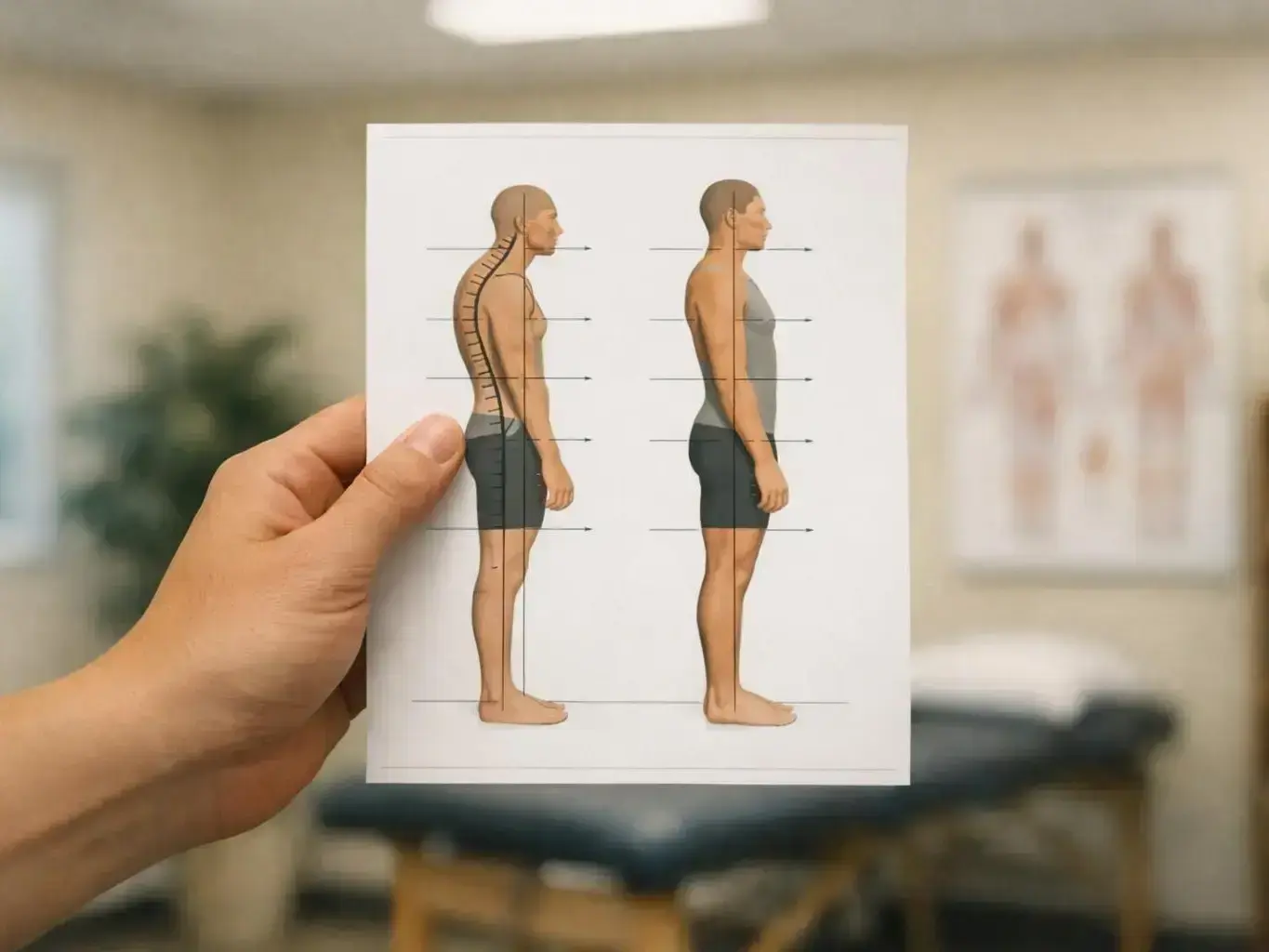
Neurological tests check nerve function, like reflexes or muscle strength. While orthopedic tests focus on joints, muscles. And ligaments.
Imaging tests show internal structures like bones and discs. But orthopedic tests show how the body moves and where it hurts.
Orthopedic tests are only as reliable as the examiner’s skill. A well-performed test can reveal subtle injuries. But poor technique may miss problems or give false results. Always ensure the chiropractor explains the purpose and findings of each test.
After a car accident, a patient feels stiffness in their neck but no sharp pain. The chiropractor performs the Spurling test by tilting the patient’s head and applying gentle pressure. The patient feels tingling down their arm, suggesting nerve compression. This finding helps the chiropractor focus on gentle neck adjustments and nerve-flossing exercises.
Range of Motion is the full movement potential of a joint, typically measured in degrees of a circle. It shows how far a joint can move in different directions, like bending, straightening. Or rotating. Healthy joints have a normal range. While injuries or conditions may limit it. Chiropractors and doctors use this measure to assess joint health and track recovery.
Nerve Compression is a condition where a nerve is squeezed or pressed by surrounding tissues like bones, muscles. Or tendons. This pressure can disrupt nerve function, causing pain, tingling, numbness. Or weakness in the affected area. Nerve Compression often occurs in the spine, wrists. Or elbows and may result from injury, repetitive motion.
Ligament Sprain is an injury to a ligament—the tough, fibrous tissue that connects bones to other bones at joints—caused by sudden stretching beyond its normal range. This overstretching tears fibers, leading to pain, swelling, bruising. And reduced joint stability. Sprains commonly occur in ankles, knees, wrists. And fingers during physical activity or accidents.
Chiropractic Adjustment is a hands-on procedure where a licensed chiropractor applies controlled force to a specific joint, usually in the spine, to improve alignment, reduce pain. And restore normal movement. These adjustments are based on the idea that proper spinal alignment supports the body’s natural ability to heal itself without surgery or medication.
Soft Tissue Therapy is a hands-on treatment method that targets muscles, tendons, ligaments. And fascia to reduce pain, improve mobility. And promote healing. It includes techniques like massage, stretching. And pressure to break up scar tissue, ease tension. And restore normal function without surgery or medication.
ChiropractorBrentwoodEstates.link
Contact ChiropractorBrentwoodEstates.link for practical guidance on Orthopedic Tests and related chiropractor work in Brentwood Estates.