Understanding Ligament Sprain
A ligament is a strong band. It connects two bones at a joint. A sprain happens when this band stretches or tears.
Related glossary terms: Inflammation, Range of Motion, Soft Tissue Therapy.
Ligaments keep joints stable. They guide how joints move. If a joint moves too far, the ligament can stretch or tear.
This can happen from a twist, fall. Or hit. Sports, work. And daily activities can cause sprains. Even stepping wrong can hurt a ligament.
Sprains have different grades. A mild (Grade 1) sprain stretches the ligament a little. It causes small tears, mild pain. And swelling.
The joint stays stable. A moderate (Grade 2) sprain tears part of the ligament. It causes more swelling and bruising.
The joint may feel loose. A severe (Grade 3) sprain tears the ligament all the way. It causes a lot of pain, swelling. And bruising.
The joint may not stay in place. This may need a doctor or surgery.
How Ligament Sprain Works?
When a ligament sprains, the body reacts fast. Blood vessels open wide. They send fluid and cells to the hurt spot.
This causes swelling. Nerves in the ligament send pain signals. They tell the body to protect the area.
Bruising may show up later. Blood leaks from hurt vessels into nearby tissues.
The body starts to heal in days. Ligaments heal slower than muscles. They have less blood flow.
Mild sprains may heal in weeks. Rest, ice. And elevation (RICE) help. So does wrapping the area.
Bad sprains can take months to heal. If healing goes wrong, joints may stay weak. They may get arthritis later.
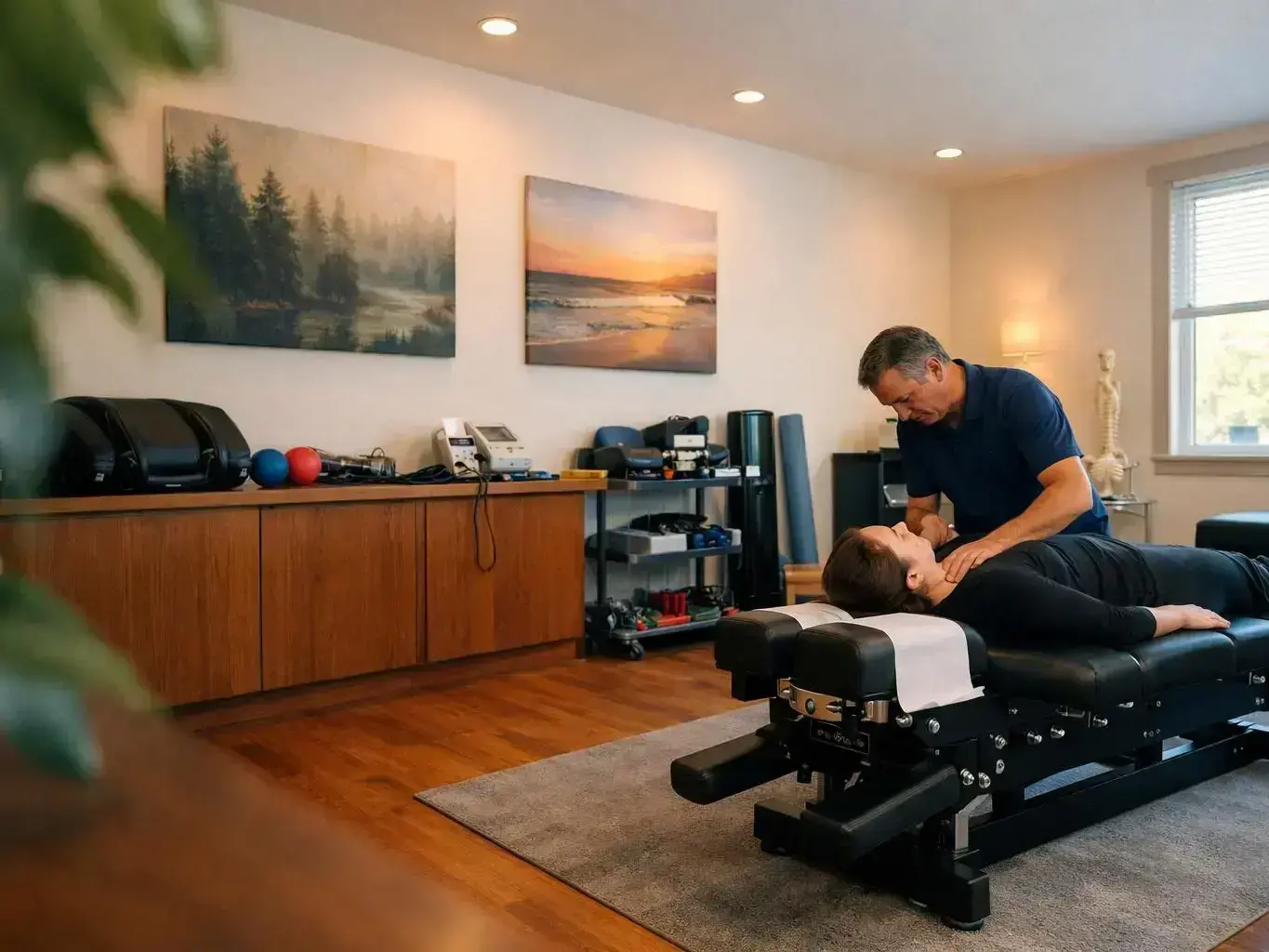
Chiropractors and therapists can help. They use gentle exercises. They may move the joint by hand.
Braces can support the joint. This helps it heal right.
Why Ligament Sprain Matters?
Sprains hurt more than just for a little while. They can make daily life hard. Work and play may be tough.
A sprained ankle or wrist makes walking hard. Typing or lifting may hurt. A knee sprain can make moving hard.
It can make falls more likely. Sprains not treated may cause long-term problems. These include pain, weak joints. Or arthritis.
Good care helps ligaments heal right. This lowers the chance of more hurt. It also stops lasting damage.
Sprains cost a lot of money. They also make people miss work. Ankle sprains alone hurt 2 million people each year.
They cost billions in medical bills. They also cause lost workdays. Early treatment helps people heal faster.
It also lowers the chance of problems.
When Ligament Sprain Matters Most?
Ligament sprains matter most for some people. They need strong, steady joints. Athletes, workers. And active people are at risk.
Their jobs or sports involve quick stops. They jump or change direction fast. Older adults are at risk too.
Their ligaments get less stretchy with age. A small slip can hurt them.
Sprains need care if they cause lasting pain. Swelling or weak joints are signs too. If a joint feels loose, get help.
If it gives way or won't hold weight, see a doctor. This may mean a bad sprain. It could also mean a broken bone.
Cartilage may be hurt too. A doctor may need X-rays or an MRI. This helps check for serious problems.
People in Brentwood Estates, TN, can get sprains. Gardening, playing. Or sports can cause them. Quick chiropractic care helps.
It eases pain and swelling. It helps people heal safely. They can return to daily life faster.