Understanding Flexion-Distraction Technique

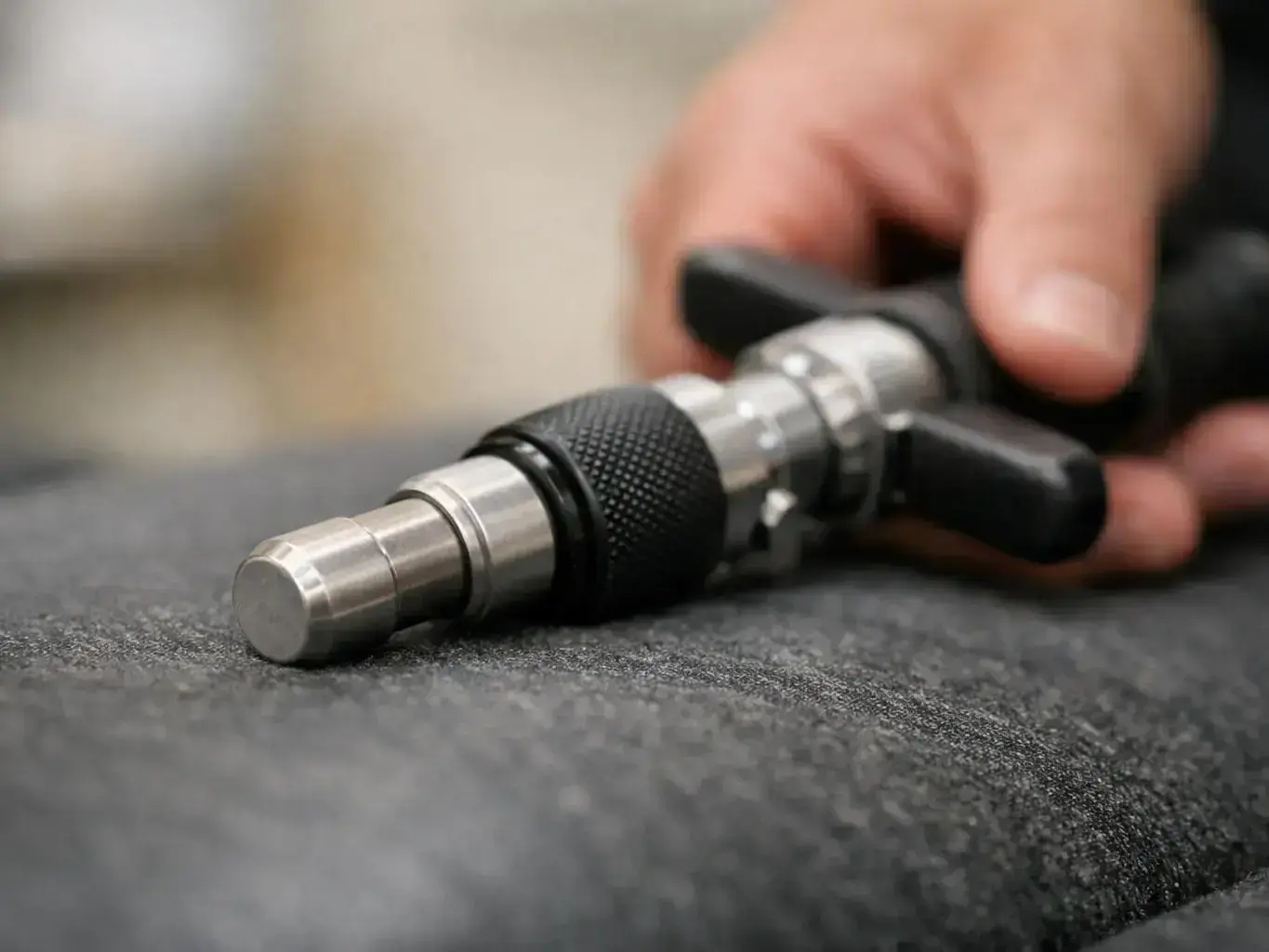
Flexion-Distraction Technique is a specialized chiropractic approach designed to address spinal disc problems and related pain. Unlike traditional spinal adjustments that use quick thrusts, this method relies on slow, rhythmic movements of a segmented table. The chiropractor guides the patient’s spine through controlled flexion and distraction motions, creating negative pressure within the disc space. This helps reposition bulging or herniated discs, reduce nerve irritation. And improve spinal joint mobility.
Related glossary terms: Disc Herniation, Spinal Decompression, Chiropractic Adjustment.
The technique was developed to offer a gentler alternative for patients who may not tolerate high-velocity adjustments. It's particularly useful for individuals with degenerative disc disease, sciatica. Or spinal stenosis, where disc pressure contributes to pain and limited movement. Because the table’s movements are gradual and controlled, the treatment is typically comfortable and doesn't involve cracking or popping sounds common in other chiropractic methods.
How Flexion-Distraction Technique Works?
The Flexion-Distraction Technique uses a specially designed chiropractic table with movable sections. During a session, the patient lies face down on the table while the chiropractor secures their pelvis or lower body. The table’s lower section slowly drops and pulls, creating a gentle stretching effect on the spine. This motion, called distraction, reduces compression on the discs and nerves. Meanwhile, the chiropractor may apply light pressure to specific areas of the spine to guide the movement and boost the therapeutic effect.
Each session typically lasts 10 to 15 minutes, with multiple sessions often recommended for best results. The number of treatments depends on the severity of the condition and the patient’s response. For example, a patient with a mild disc bulge might see improvement in 6 to 12 visits. While chronic conditions may require ongoing care. The technique is often combined with other therapies, such as ice, heat. Or electrical stimulation, to reduce inflammation and support healing.
- The table’s flexion motion opens up the spinal joints, improving circulation and nutrient flow to discs.
- Distraction reduces pressure on nerves, helping to relieve pain and tingling in the legs or arms.
- The rhythmic movement can help restore normal spinal mechanics and reduce stiffness.
Why Flexion-Distraction Technique Matters?
Flexion-Distraction Technique offers a non-surgical option for patients suffering from disc-related spinal conditions. Many people with herniated discs or sciatica face limited treatment choices, often including pain medications, steroid injections. Or surgery. This technique provides an alternative that avoids the risks and recovery time associated with invasive procedures. By improving disc hydration and reducing nerve compression, it can help patients return to daily activities with less pain and better mobility.
In practice, For chiropractors, the technique expands the range of conditions they can address effectively. It is especially valuable for older adults or patients with osteoporosis, who may not be candidates for more forceful adjustments. Research suggests that Flexion-Distraction can also help with conditions like failed back surgery syndrome, where patients continue to experience pain after spinal surgery. Because it is gentle and customizable, it can be adapted to suit individual patient needs and comfort levels.
When Flexion-Distraction Technique Matters Most?
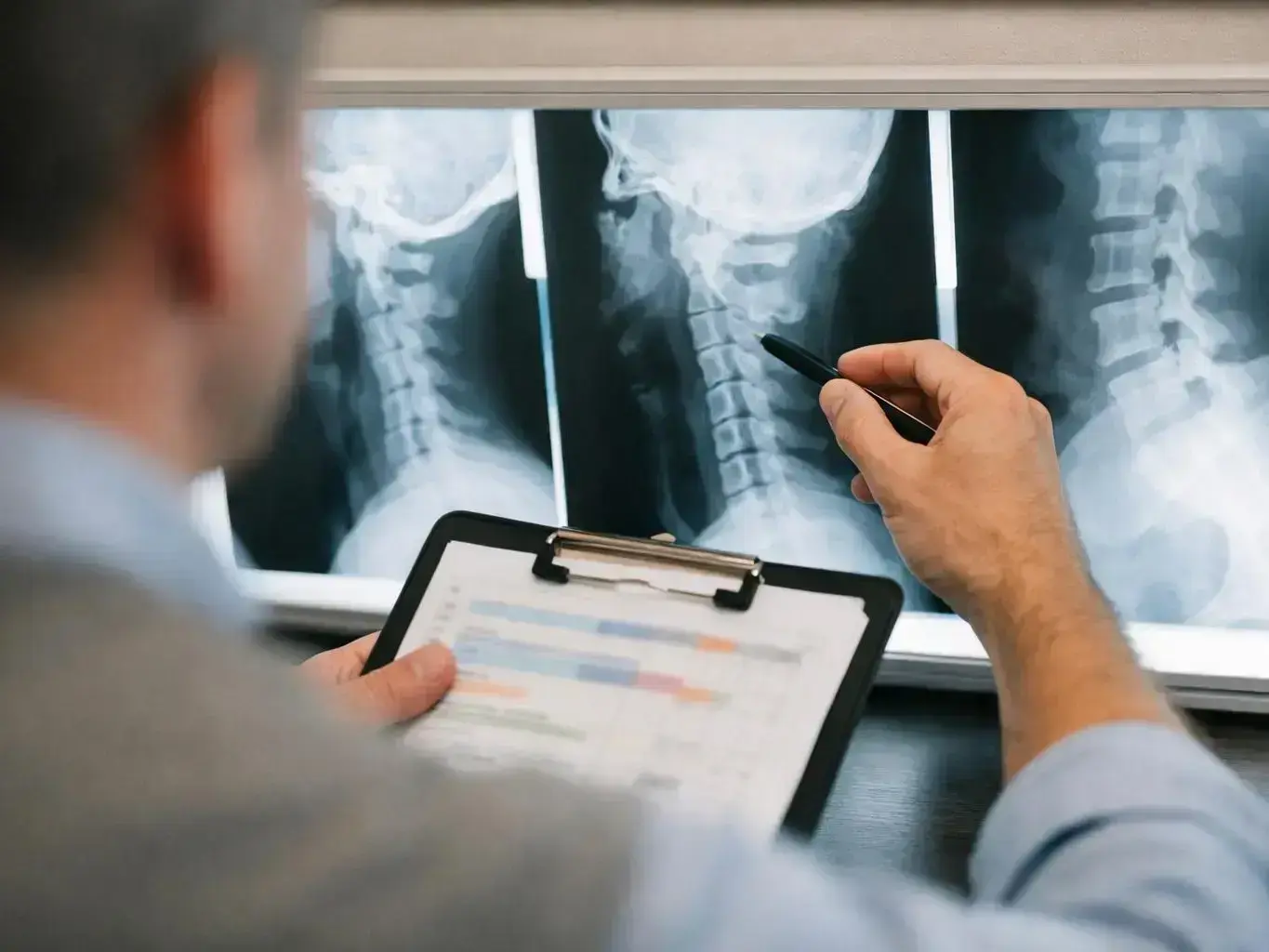
Flexion-Distraction Technique is most beneficial for patients with specific spinal disc problems or nerve-related pain. Common conditions treated with this method include lumbar disc herniation, sciatica, spinal stenosis. And chronic lower back pain. It is also used for patients recovering from minor spinal injuries or those with degenerative disc disease, where disc height and flexibility have been lost over time. The technique is particularly useful when other treatments, such as medication or physical therapy, have not provided sufficient relief.
Patients who experience pain when sitting, bending. Or lifting may find this technique especially helpful, as these movements often increase disc pressure. It is also a good option for individuals who prefer a gentler approach to chiropractic care or those who experience discomfort with traditional adjustments. But it may not be suitable for patients with severe osteoporosis, spinal fractures. Or certain types of infections or tumors in the spine. A thorough evaluation by a chiropractor is necessary to determine if the technique is appropriate for a patient’s specific condition.